
735 Main Rd, Edgeworth,
NSW, 2285


Australian summers can be tough on people, and it’s the same for pets. Even the ones who love sunshine and the outdoors, plenty of hazards are lurking. Long beach days are fun and enjoyable, but sometimes end up in trips to the vet. From heat stress to the perils of the marine environment to hot concrete, it’s quite a list. As pet owners, we want our furry family members to stay healthy and well, so here’s what you need to know about safety this season.
At Edgeworth Animal Medical Centre, we’re a local, independent clinic that’s proud to care for pets and their people, and we treat every patient like part of the family. The warmer weather has everyone excited for adventures in nature with every family member in tow. We want you to enjoy them safely by understanding what to steer clear of and how to spot the early signs of trouble.
Recognising the early signs of heat stress
Dogs can’t cool down the way we do. They don’t sweat across their body, only a little through their paws where their sweat glands are. Instead, they rely on panting to release heat. That’s why humid days can be just as dangerous as very hot ones. When the air is heavy with moisture, panting becomes less effective, and their body temperature can rise quickly.
Heat stress occurs when pets can’t release heat fast enough to maintain a stable body temperature. It’s one of the most common summer emergencies and can develop fast, even on days that don’t feel extreme.
Early warning signs include:
- Heavy panting or an extended tongue
- Warm ears, feet or exposed skin
- Bright pink gums or skin
- Restlessness, anxiety or sudden lethargy
- A fast heartbeat
As the condition worsens, breathing may become loud or strained, and collapse can occur if their temperature isn’t reduced in time.
Some breeds are more prone than others. Brachycephalic dogs, such as Bulldogs, Pugs, Staffies and Cavaliers, struggle because they have the same internal nasal structures compressed into a much shorter snout. This reduces airflow and disrupts the normal cooling effect dogs rely on when they pant. Thick-coated dogs like Huskies, Cattle Dogs, Samoyeds, Norwegian Elkhounds, Japanese Spitz, and Shiba Inu also overheat quickly, and Persian or British Shorthair cats can be affected in the same way. Working dogs can also find themselves in trouble, as they’re likely to push past their safe limits.
While any pet can develop heat stress, there are some additional risk factors, including obesity, dark coat colour, older animals or those with heart or lung disease or those with laryngeal paralysis. Even wearing a head collar that restricts panting can make it harder for them to stay cool.
How to keep pets cool and comfortable in summer
The best way to help pets cope with summer heat is to plan for it – take water, seek shade and be prepared to make sensible choices early if your furry family member is not coping. Limit exercise to early morning or late evening when the air is cooler, and skip walks altogether on extremely hot days.
When you do venture out, choose shaded routes, take regular breaks and always have some cool water with you. Many dogs enjoy being wet down or having a swim to help regulate their temperature.
Some pets aren’t as well-adapted to our climate. Breeds with thick coats that evolved for colder weather can really struggle in the heat. A full clip before summer starts helps both long-haired cats and dogs to stay cooler and more comfortable.
What you need to know about the beach
Dogs usually can’t get enough of the beach, yet it only takes a moment for things to go wrong. Heat, salt water and the temptation to eat anything they find can turn a fun day into a problem in an instant.
Overexertion is one of the biggest concerns. Some dogs don’t know when to stop, and that constant activity can lead to heat stress, especially in humid conditions.
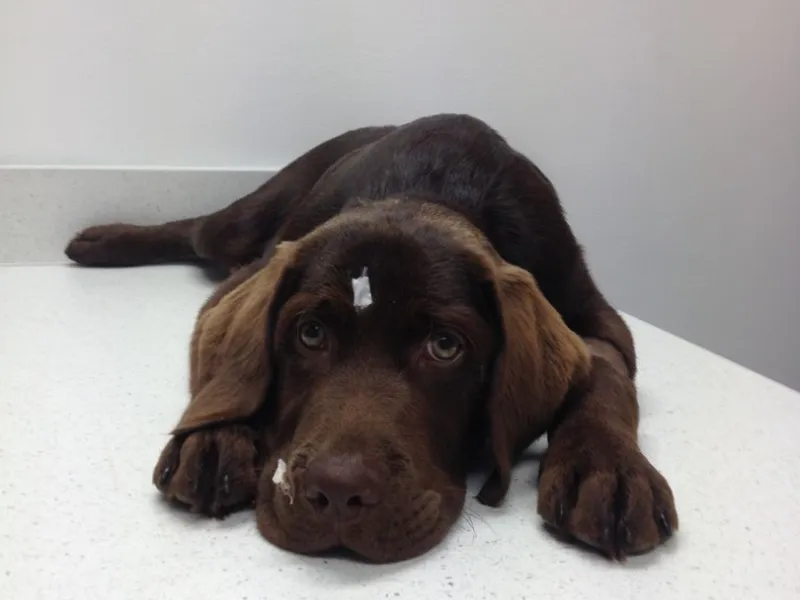
Ingestion of toxic or dangerous substances is common, as dogs can’t help but be curious. Puffer fish are among the worst offenders and can cause severe, potentially fatal paralysis. One of our older patients, Sam, found this out the hard way when he was a pup.
After chewing on a puffer fish at the beach, he became paralysed and needed oxygen to help him breathe. His companion that day, a dog from another family, also became ill and required ventilation. Thankfully, they both recovered fully. In the image, you can see Sam very relaxed, and the tape is where his nasal O2 catheter was removed.
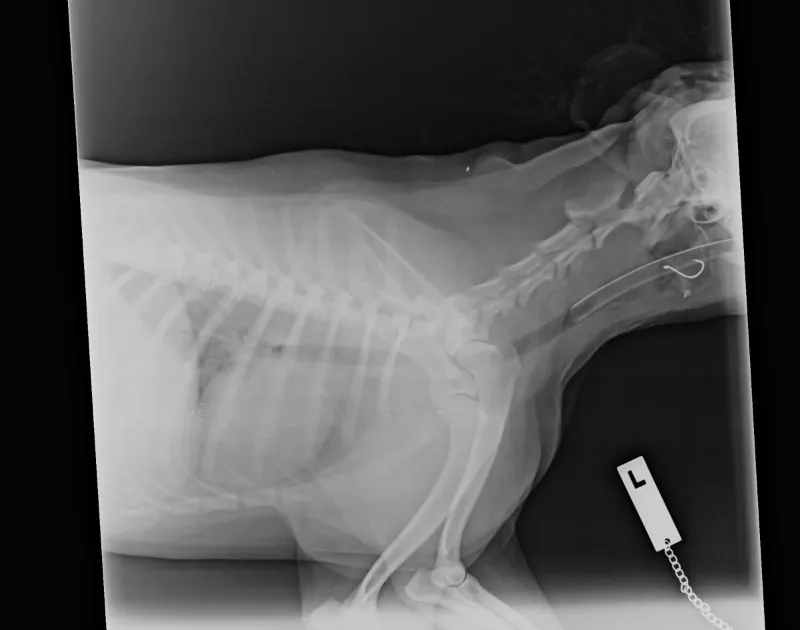
And it’s not just marine life you need to watch out for. We had another unlucky dog, Lulu, who snatched something from the grass near a waterway so fast her owner had no time to stop it. She started gagging and became extremely distressed. It turned out to be a fish hook stuck in her throat. We were able to remove it safely and uneventfully under anaesthetic, but this could have been much worse.
Even away from the water, curious noses can still find trouble. One dog I treated after New Year’s picked up human waste at a campsite and later tested positive for several recreational drugs.
Rotting fish, old bait and rubbish can also cause severe stomach upsets, so you should always keep an eye on what your dog investigates. Avoid felt-covered balls, as they trap sand and can lead to sand impaction if swallowed. Instead, pack smooth toys that are easy to rinse clean.
Always choose calm, shallow water for swimming, as strong tides and big waves can overwhelm even confident dogs.
Paws and hot surfaces
Dogs love their walks with their humans. But on some summer days, the ground can be too hot for paws. To test the concrete, use the palm of your hand. If you can’t keep it there for five to eight seconds comfortably, don’t walk your dog on it.
In the event of an accidental burn on concrete at home, cool their feet straight away using water or, ideally, a shallow cool foot bath. This helps ease discomfort and prevent further damage.
There are many excellent booties on the market for dogs now, and we frequently recommend them for those with sensitive feet or recovering from injuries, as it’s much more convenient than constantly having to bandage them.
When to act fast: recognising an emergency
If your pet is breathing rapidly, struggling to recover, or not improving with rest or shade, seek veterinary help immediately. For emergencies after hours, head straight to a 24-hour care facility.
If your pet hasn’t collapsed, keep them calm, offer them cool water but no food, and get them into an air-conditioned car (think, arctic cold) with good airflow. Avoid wrapping them in wet towels, as this traps the heat their body is trying to release.
At the clinic, dogs with severe heat stress, especially flat-faced breeds, may need to be anaesthetised so their airway can be protected while they are cooled down safely.
Even after effective treatment, some dogs can still deteriorate 24 to 36 hours later due to internal organ damage, so close monitoring is vital.
If your pet shows any signs of heat stress or injury this summer, contact Edgeworth Animal Medical Centre right away. The sooner they’re seen, the better their chance of a smooth recovery.
By Dr Perin Patterson
Veterinary Services
Trusted veterinary care across every life stage, from vaccinations and surgery to diagnostics, dental, and exotic care.


FAQs
Worried Something’s Wrong?
What should I do if I think something’s wrong with my pet?
We understand how scary it is when your pet isn’t acting like themselves. If you’re ever concerned, please call our clinic right away. Our team will ask a few questions and advise you on next steps, whether that’s coming in for a check-up or monitoring at home. It’s always better to be safe and have us take a look if you suspect something is wrong.
How do I know if my pet needs emergency care?
Certain signs like trouble breathing, collapse, severe bleeding, or seizures mean your pet needs immediate help. If you notice any of these or your pet is in distress, get to a vet right away. We prioritize emergencies during our clinic hours. If a crisis happens when we’re closed, you should head to a 24/7 veterinary emergency hospital without delay.
What if my pet needs help after hours?
We partner with a trusted local emergency service for after-hours care. If your pet needs urgent help when our clinic is closed, you can contact the Animal Referral & Emergency Centre (AREC) in Newcastle, or SASH in Tuggerah.
They’re open 24/7 and will provide immediate veterinary attention. We’ll receive a report from the emergency team so we can follow up with you and your pet as needed.
Exotic Pets & Unusual Species
Do you treat exotic or unusual pets?
Yes, we welcome all kinds of pets at Edgeworth, not just cats and dogs. Our vets have a special interest and plenty of experience in treating birds, rabbits, guinea pigs, rats, mice, reptiles (like snakes and lizards), and more. We understand these unique pets have specific needs, and we’re fully equipped to give them the gentle, knowledgeable care they require.
Does my exotic pet need regular vet check-ups?
Absolutely. Exotic pets often hide signs of illness, so routine check-ups are very important. We recommend annual health checks (or more often for some species) to catch any subtle issues early. Our team is skilled in exotic animal care and can give you tailored advice on diet, housing, and preventive health to keep your unusual pet happy and thriving.
Second Opinions & Complex Cases
Can I get a second opinion on my pet’s diagnosis or treatment?
Of course. We know how important peace of mind is when it comes to your pet’s health. Our vets are happy to provide a second opinion on any diagnosis or treatment plan. We’ll review your pet’s history, perform a thorough examination, and then discuss our findings and recommendations with you in a caring, honest way.
What if my pet has a complicated condition or needs advanced care?
You’re in good hands. Our clinic is equipped to handle many complex cases, from challenging medical conditions to advanced surgeries. Each of our veterinarians has special areas of expertise (such as surgery, internal medicine, or exotic animal care); we work together as a team to solve tough cases. If your pet ever needs care beyond our scope, we’ll refer you to a trusted specialist and collaborate closely to ensure your pet gets the very best care.
Choosing the Right Vet for Your Pet
How do I choose the right vet for my pet?
Look for a vet who makes you and your pet feel comfortable, listens to your concerns, and communicates clearly; a great clinic will treat your pet as family and provide continuity so you see familiar faces over the years. At Edgeworth Animal Medical Centre, we pride ourselves on being warm, patient, and thorough; we take the time to get to know you and your pet and tailor our care to their individual needs. Ultimately, trust your instincts and choose a clinic where you feel heard and supported.
Will my pet see the same veterinarian each visit?
We do our best to provide consistency. As a smaller independent clinic, we have a close-knit team, and we’ll strive to schedule you with your preferred vet whenever possible. We believe that building a long-term relationship with one veterinary team helps your pet feel more at ease and allows us to offer more personalised care at every visit.
Lifestyle, Behaviour & Quality of Life
Can you help with my pet’s behaviour or training problems?
Yes, behaviour is an important part of your pet’s well-being, and our vets can offer guidance on common issues like anxiety, barking, destructive chewing, or litter box problems. We’ll first check if there’s any medical reason for the behaviour, then work with you on training tips or changes at home that might help. If needed, we can also refer you to a qualified pet trainer or veterinary behaviourist for additional support.
How can I ensure my pet lives a happy, healthy life?
Caring for your pet’s quality of life means looking after their physical health and emotional happiness. Make sure they get a nutritious diet, regular exercise, and plenty of mental stimulation through play and enrichment activities. Regular veterinary check-ups are also key, as they help us catch any health issues early and manage things like dental care or arthritis to keep your pet comfortable. Most importantly, give them love and attention, as a strong bond with you and a safe, enriching environment go a long way toward a happy life for your pet.
Will I be told how much my pet’s treatment will cost?
Absolutely. We’ll always explain the costs before we proceed with any treatment and provide you with a clear, written estimate after examining your pet and determining what they need. You’ll have time to ask questions and consider the options, and we’ll only move forward once you’re comfortable with the plan. Our goal is to be transparent and avoid any surprises, so you can make informed decisions about your pet’s care.
What payment options do you offer, and do you accept pet insurance?
We want to make managing your pet’s care as stress-free as possible. Our clinic accepts cash, credit cards, and EFTPOS. We can also process many pet insurance claims on the spot through GapOnly, so you only need to pay the difference (the ‘gap’) while your insurer covers the rest. For larger or unexpected expenses, we’re an approved VetPay provider, allowing you to set up a manageable payment plan. If you ever have concerns about the cost of care, our team will work with you to find a solution that helps you feel confident about your pet’s treatment.

Contact Info


After-Hours Emergencies
Contact AREC(Animal Referral & Emergency Centre)
1300 838 669