
735 Main Rd, Edgeworth,
NSW, 2285


The moment of panic
Your pet looks guilty. Something’s missing – a block of chocolate, a bait station, maybe a sock. Or perhaps you didn’t see them do it, but now they’re trembling, vomiting, or just not themselves. You find yourself searching:
“My pet ate something they shouldn’t. What do I do?”
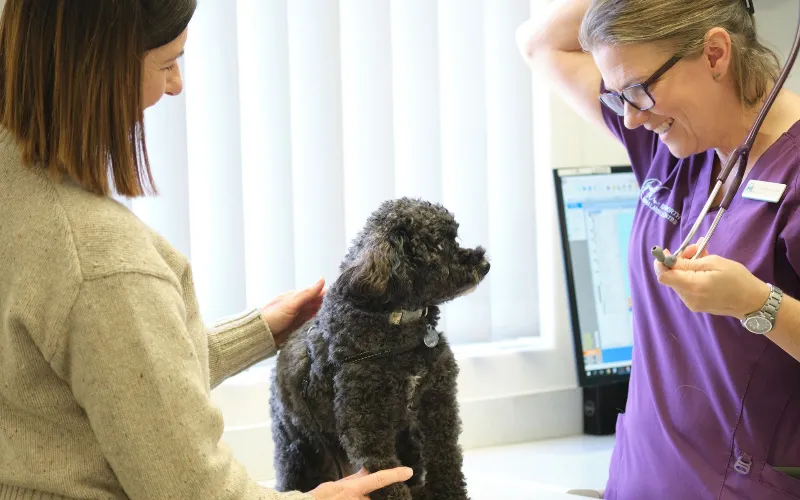
We hear this daily, and we’re glad when people call. We’ve seen it all at Edgeworth Animal Medical Centre, from curious cats with lilies to dogs who swallow underwear. Knowing what to do and when to do something, could make all the difference if your pet gets into something dangerous.
What do pets commonly eat that causes emergencies?
Some items are clearly risky, and others catch owners by surprise. We frequently treat dogs for chocolate or grape ingestion, cats for lily poisoning, and both for bait exposure. But everyday objects also pose real threats: socks, string, rubber balls, corn cobs, even clothing tags.
“If you’re ever unsure, it’s safer to call. We’ll never make you feel silly for asking.” Edgeworth Animal Medical Centre
Even in small amounts, these can cause poisoning or blockages. What’s frustrating is how normal your pet may seem at first. But by the time symptoms appear, the substance may already have been absorbed, and treatment becomes harder.
A real case of “What did you just eat?!”
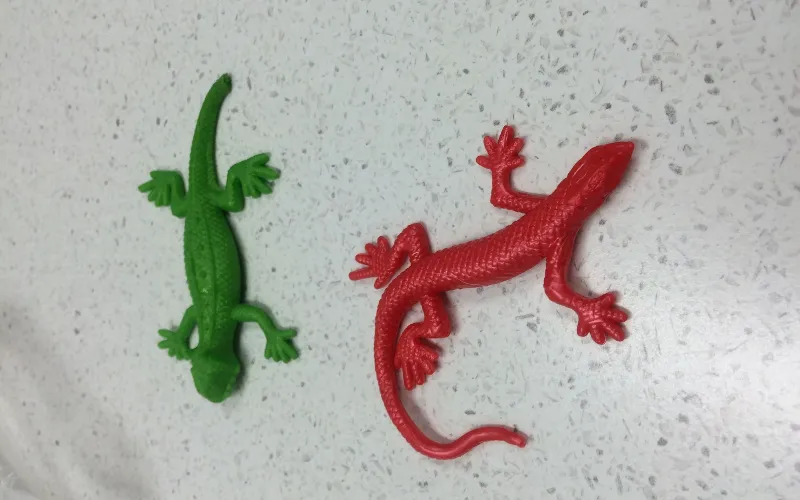
We once treated a particularly cheeky dog who helped himself to not one but two rubber lizard toys. His owner had no idea… until he vomited them up in the waiting room. (Yes, both were still fully intact.)
It might seem funny in hindsight, and in this case, it was, but it could have just as easily ended with surgery. That’s why we always encourage pet owners to act fast, even if it is a false alarm. Better safe (and slightly embarrassed) than sorry.
How do I know if what my pet ate is dangerous?
In many cases, you won’t see symptoms right away. But once they begin, they can escalate quickly. Watch for:
- Vomiting or diarrhoea
- Shaking or tremors
- Unusual bruising or red-tinged urine
- Lethargy, hiding, or restlessness
- Swollen belly or signs of pain when touched
Still unsure? Trust your gut. If something feels wrong, we’d always prefer you call.
Is it ever safe to wait if my pet ate something bad?
No. Waiting is rarely safe. Even with seemingly mild substances, an hour or two can change everything, especially with toxins like chocolate or rat bait, or indigestible items like socks or string.
Acting early can help us induce vomiting safely and reduce the need for invasive procedures. And it can mean the difference between a short visit, and something far more serious.
What should I do straight away?
Here’s what helps the most:
- Call us immediately. Don’t wait for symptoms to show.
- Bring packaging or labels. They help us identify the substance.
- Don’t attempt home remedies. Inducing vomiting at home can be dangerous.
- Note the time of ingestion. It guides how we treat.
You can also call the Animal Poisons Helpline on 1300 TOX PET if we’re closed. They’ll help you get to a trusted Newcastle vet emergency hospital if urgent care is needed overnight.
What treatment will the vet give if my pet ate something toxic?
Treatment depends on what was eaten, how long ago, and whether symptoms have started. We might safely induce vomiting, administer activated charcoal to bind toxins, or use IV fluids and medications to protect organs. If a foreign object is involved, we’ll likely do X-rays or imaging to see if it’s passable or if surgery is needed.
In some cases, we may refer you to an emergency vet for overnight monitoring or intensive care. We’ll walk you through every step and always explain your options clearly.
How can I stop my pet from eating things they shouldn’t?
Some pets are serial offenders. If yours is one of them, don’t worry, we can help you outsmart it.
We might suggest crate training, fridge locks, basket muzzles, or securing rubbish bins and sheds. You know your pet’s habits best, and we’ll work with you to create a prevention plan that fits your life (and theirs).
How Edgeworth supports you during pet emergencies
Emergency visits can be overwhelming. That’s why we prioritise calm, kind communication just as much as clinical care. Whether it’s a simple chocolate incident or a complex surgery, we’ll support you through it with clarity, updates, and compassion.
“Emergencies are scary, but they’re also manageable. You won’t face them alone.”
Edgeworth Animal Medical Centre
We’ll follow up after treatment, check in on your pet, and ensure you have everything you need for their recovery and peace of mind.
Veterinary Services
Trusted veterinary care across every life stage, from vaccinations and surgery to diagnostics, dental, and exotic care.


Frequently Asked Questions
What do I do if my dog ate chocolate?
Call your vet right away. Chocolate is toxic to dogs, especially in large amounts or darker varieties.
Are lilies toxic to cats?
Yes, extremely. Even a small amount of lily pollen or water from the vase can cause kidney failure.
Will a sock pass on its own if my dog ate it?
Maybe, but it could also cause aIs rat bait poisonous to pets? blockage. We recommend x-rays to be safe.
Is rat bait poisonous to pets?
Yes, and symptoms are often delayed. If you suspect ingestion, call us immediately, even if they seem fine.
Is there a helpline for pet poisoning?
Yes, call 1300 TOX PET or contact Edgeworth Animal Medical Centre for urgent advice.
Are grapes poisonous for dogs?
Yes, grapes (and sultanas) can be highly toxic to dogs, even in small amounts, and may cause serious kidney damage. If you’re concerned your dog has eaten grapes or sultanas, call us immediately on 02 4958 1800.
If it’s outside our normal hours and you believe it’s an emergency, please contact:
After-Hours Emergencies
AREC – Animal Referral & Emergency Centre
📞 02 4957 7106

Contact Info


After-Hours Emergencies
Contact AREC(Animal Referral & Emergency Centre)
1300 838 669