
735 Main Rd, Edgeworth,
NSW, 2285


Dental hygiene is not always the top priority for pet owners; however, healthy teeth make for a healthy pet. Even though your pet may still be eating, this is not always a sign that they are not in discomfort or pain due to a dental condition. Pets can hide pain very well, and by the time they have gone off their food due to a painful mouth, the problem has typically become serious.
Oral disease is associated with more than bad breath or tooth loss. It can lead to infections that spread via the bloodstream and attack the heart, liver, and kidneys. Diligent and regular oral checkups are necessary for early detection and critical to your pet’s health plan.
“Even though your pet may still be eating, this is not always a sign that they are not in discomfort or pain due to a dental condition.”
Common dental conditions
Three primary dental conditions are more common in the pets we see at Edgeworth Animal Medical Centre:
Periodontal disease is a progressive condition affecting the gums and bones that support the teeth. Unfortunately, it can go unnoticed until it reaches an advanced stage. Periodontal disease is a buildup of plaque and tartar that leads to inflammation, infection, and even tooth loss.
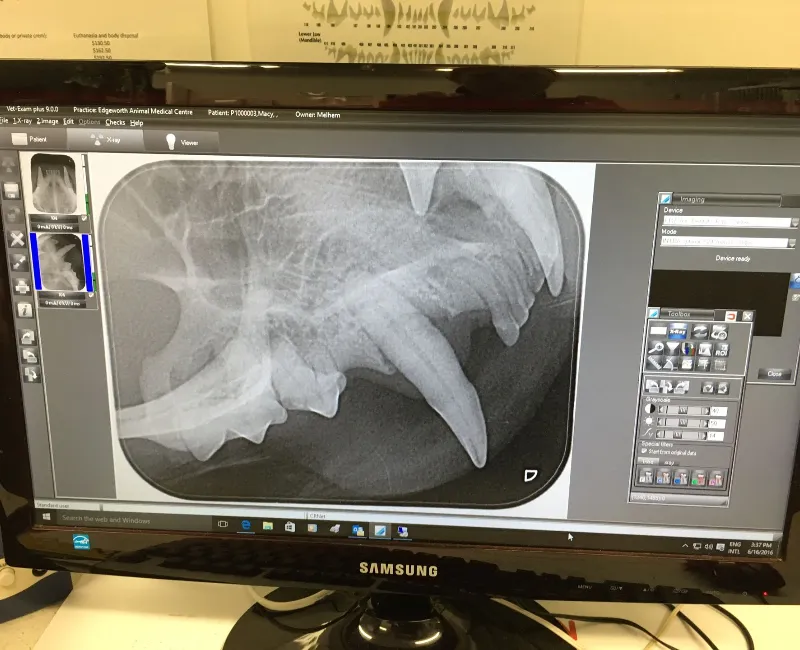
Treatment involves general anaesthesia, dental X-rays, and tooth assessment. We remove any diseased teeth. While under anaesthesia, we remove plaque and tartar and apply protective treatments. Post-operative home care is necessary. Regular brushing, gels, chews, and dental diets will help maintain oral health.
Malocclusions highlight the importance of regular, early checkups for kittens and puppies. These tooth misalignments can cause injury to the soft tissue in the mouth, leading to ulcers and abnormalities in how teeth wear.
Treatment often requires professional dental or veterinary intervention, including baby tooth extractions, orthodontics, or surgery.
Fractured teeth are generally the result of chewing on hard objects, such as bones or sticks. A fractured tooth is nasty and often requires surgery before it causes an infection or abscess. In some cases, we may be able to save the fractured tooth with vital pulp capping; however, more often, the pulp is infected and will need to be extracted for the animal’s long-term health.
What to look out for
As mentioned, oral disease is not easy to spot, and without routine check-ups, it can take hold before you know it. Pet owners should watch for bad breath, known as halitosis, an increase in drooling, any signs of bleeding while chewing, a preference for softer foods instead of kibble, or if their pet avoids being touched around the mouth.
If your pet displays any or all of these signs, it may have an oral condition, and seeking professional veterinary advice is essential.
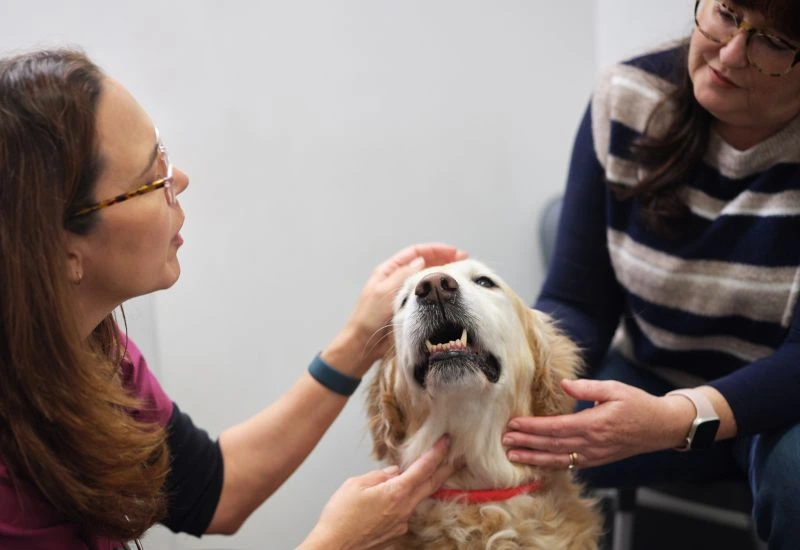
Dental cleaning is an important part of your pet’s health care
Proper dental care is not a luxury option and must be part of your pet’s overall health care routine. At Edgeworth Animal Medical Centre, dental care is a priority, and we ensure the highest standards of professionalism and safety when performing a dental clean.
Before any anaesthetic, we conduct a comprehensive exam to identify any risks, including heart disease or diabetes. We tailor an anaesthetic plan for each patient, and we are experienced with anxious pets. During the cleaning, we use an endotracheal tube. This tube maintains safe anaesthesia and eliminates debris from entering the lungs. Our trained and professional nurse monitors the pet’s vitals to ensure safety and supervises the animal until it is fully awake and stable.
Keeping your pet's mouth healthy at home
While we recommend daily brushing, it is not always easy or possible. There are alternatives that pet owners can do at home to keep their pets’ oral health at its best.
Routine check-ups are essential. Dental diets that are VOHC approved and water additives such as OxyFresh, which is tasteless and odourless, are recommended. Chews are always welcome, especially by dogs, and hard bones that may cause tooth fractures should be avoided.
We are your pet's dental advocate
The Edgeworth Animal Medical Centre team advocates for dental hygiene for all pets. We know the dangers associated with poor or unchecked dental conditions. Dental hygiene is not a cosmetic issue but a fundamental element of your pet’s overall health routine. Taking a proactive approach to dental well-being and collaborating with your vet helps ensure your pet lives a healthier, happier life.
“Dental hygiene is not a cosmetic issue but a fundamental element of your pet’s overall health routine.”
Veterinary Services
Trusted veterinary care across every life stage, from vaccinations and surgery to diagnostics, dental, and exotic care.


Frequently Asked Questions
Why is dental hygiene important for pets?
Dental health impacts more than just the mouth; oral infections can spread and affect major organs like the heart, liver, and kidneys.
What are the most common dental conditions in pets?
The most frequent conditions are periodontal disease, malocclusions, and fractured teeth.
How do I know if my pet has dental problems?
Watch for bad breath, bleeding during chewing, increased drooling, avoidance of hard foods, or sensitivity when touched around the mouth.
What does professional dental cleaning involve?
It includes anaesthesia, X-rays, plaque/tartar removal, tooth extractions if needed, and thorough monitoring for safety.
Can I care for my pet’s teeth at home?
Daily brushing is ideal, but alternatives like VOHC-approved dental diets, OxyFresh water additives, and safe chew products are also effective.

Contact Info


After-Hours Emergencies
Contact AREC(Animal Referral & Emergency Centre)
1300 838 669