
735 Main Rd, Edgeworth,
NSW, 2285


“He doesn’t jump into the car anymore,” is something we hear quite often. With winter almost here, the frequency may increase. That’s not necessarily because cold weather causes problems for senior dogs and cats, but it can draw attention to existing issues, like osteoarthritis, that may already be a bit uncomfortable for them.
At Edgeworth Animal Medical Centre, we’re a local, independent clinic caring for pets with all kinds of conditions, throughout all stages of life and every season of the year. If you’re having to help your pet into the car or with other things you haven’t had to before, or you’re noticing other behavioural changes, it’s always best to have them checked by your vet. Here’s what you need to know.
“Cold weather may not cause joint problems, but it can make existing discomfort much harder for pets to ignore.”
The subtle signs of chronic pain that can become more obvious in the winter
It’s not just cold weather that unfairly cops the blame for certain health concerns. Ageing does too. But the truth is, dogs and cats can feel healthy and comfortable as they get older, even during the winter months. But when something isn’t quite right, some of the things you may notice include:
- Reduced enthusiasm for activities such as walking or playing, which is often dismissed as normal “slowing down”
- Changes in mobility, like reluctance to jump, climb stairs or get into the car
- Shifts in posture and behaviour, such as avoiding sitting or moving straight from standing to lying down
That reluctance to sit is a big one, as it can indicate hip discomfort. However, for any of the above, it’s important to have your pet properly assessed, as most of these conditions are manageable.
Why colder weather can make existing joint issues feel worse
It’s normal to feel a little more sluggish and less motivated in the winter. Let’s face it, many humans feel this way too. While we don’t know a lot about the scientific link between cold weather and conditions like osteoarthritis, what we do know is that it can feel worse because it’s noticed more.
As temperatures drop, joints tend to stiffen, and everyday activity becomes harder. Blood vessels narrow, which may reduce circulation, and the fluid within the joints becomes thicker. Together, this makes motion less smooth and more restricted, particularly for cats and dogs already dealing with underlying joint disease.
Many humans with arthritis will tell you that colder weather intensifies their pain. The same is likely true for our animal counterparts. We’re not exactly sure why this happens, but some believe changes in air pressure and humidity during winter may contribute to joint pain. The tightening of muscles and tendons may also add to the discomfort.
A lack of physical activity may also be a factor. The cold often makes people and pets less inclined to exercise. Reduced movement results in muscle weakness and less support for the joints. It can also lead to weight gain, which places extra strain on the joints and increases pain and inflammation.
When mobility changes warrant closer attention
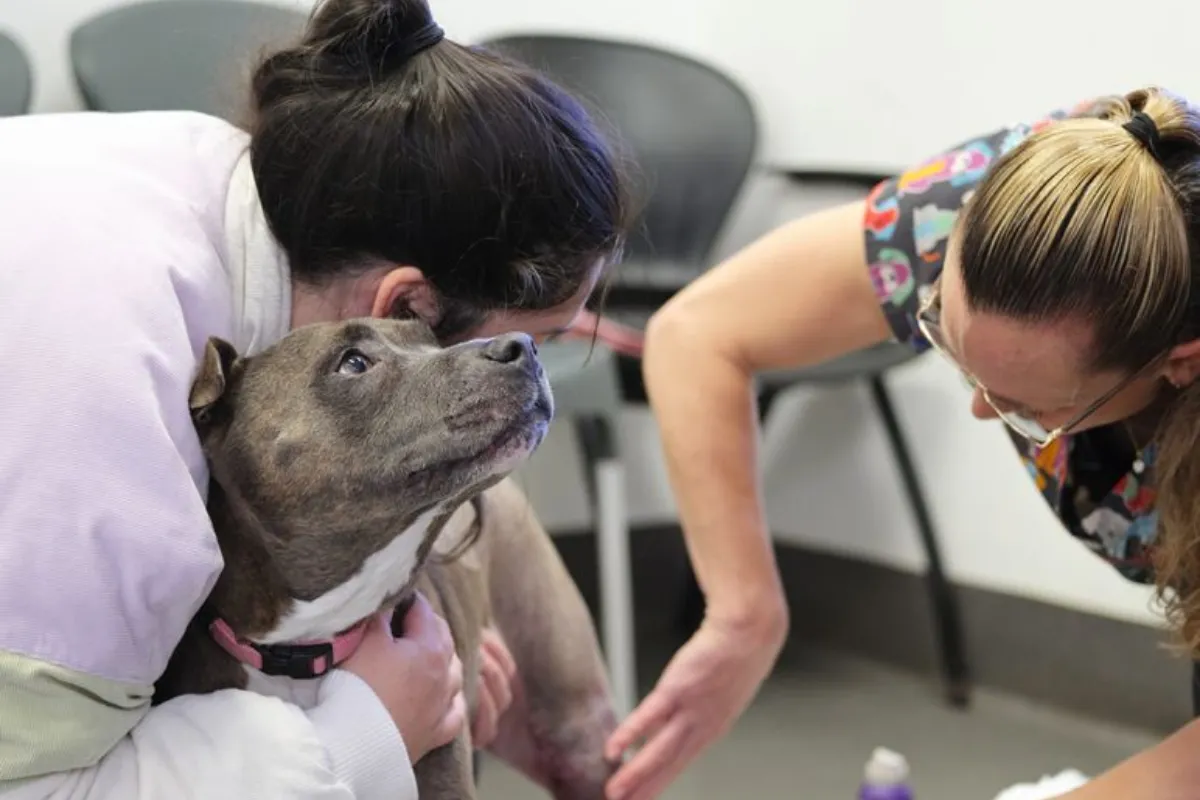
Realistically, any changes in mobility should be taken seriously. They can develop gradually, which makes them easy to miss, but it’s important to bring your pet in for a proper assessment and talk through what you’ve been seeing. From there, we can perform a physical exam with a focus on joint manipulation and gait analysis.
In some cases, a physical exam may not be enough. This is where radiographs become extremely helpful, as they can detect issues like osteoarthritis while also helping to rule out other conditions affecting mobility.
It’s also important not to assume that all mobility issues in older pets are due to arthritis. While it is common, there are other causes, particularly if the onset was sudden. Injuries such as cruciate ligament tears or even small fractures can present in a similar way, especially in older pets.
Common misconceptions that can delay treatment
There are a lot of ideas that have become normal assumptions for pet owners, and one of them is that mobility issues in older dogs are fixed and simply part of ageing. Many people take this at face value, rather than considering there may be an underlying medical condition that can be treated and give the dog or cat a chance to return to a more comfortable level of activity.
Sometimes, owners are under the impression that pain is part of the ageing process and something you just have to push through. They may feel this way themselves, but again, there’s always the possibility that veterinary care could improve quality of life for your pet.
We do see well-intentioned humans spending a lot of money on supplements for their dogs and cats that may or may not have a lot of testing behind them. When patients come in, we can guide families towards better-supported options if that’s their preference, or in some cases, offer a single medication that may be less costly and have a lower impact. This can help their pet get back to enjoying the things they love.
Supporting your dog when it’s cold
Caring for an older pet with joint issues is rarely about one single change. It usually comes down to a few practical adjustments, especially as the colder weather sets in. Some thoughts:
- Keep their sleeping area warm and comfortable, as added warmth can help ease stiffness. Some cats in particular benefit from a heated mat or similar support
- Maintain a healthy weight, as this has one of the biggest impacts on reducing joint strain at any stage of life
- Continue regular, moderate activity to support muscle strength and joint function, even during colder months
- Explore mobility support options if needed, such as prams for small dogs or assisted transport for larger breeds, so they can still enjoy time outdoors
- Be aware that advanced treatments are available, including surgical options like joint replacement in severe cases
- Ask your vet about newer therapies that are changing pain management, including monoclonal antibody treatment for cats with osteoarthritis
Before it becomes their new routine
If you have an older dog or cat in your family and find yourself asking a lot of “is this normal” style questions, you’re not alone, and you don’t have to walk through this stage of life alone either. The good news is that winter itself isn’t the problem. It’s anything underlying, and most of the time, we can help your pet feel a bit better.
At Edgeworth Animal Medical Centre, we provide lifetime veterinary care for local pets, and we love being on this journey with you. The senior years will bring some changes, but with love, attention and good health care, dogs and cats can age with grace.
Contact us to learn more or book an appointment to check joint health before winter officially arrives.
By Dr Perin Patterson
“Mobility changes in older pets are often manageable when properly assessed, rather than simply accepted as part of ageing.”
Veterinary Services
Trusted veterinary care across every life stage, from vaccinations and surgery to diagnostics, dental, and exotic care.


Frequently Asked Questions
How can I tell if my senior pet is experiencing chronic pain in winter?
Signs often appear gradually and may include reduced enthusiasm for walks or play, reluctance to jump or climb, and subtle posture changes. These behaviours are commonly mistaken for normal ageing but can indicate discomfort. A proper assessment by a vet is important to understand what’s causing the change and how to manage it.
Why does cold weather seem to make arthritis worse in pets?
Colder temperatures can lead to joint stiffness, reduced circulation, and thicker joint fluid, which all make movement less smooth. Pets may also exercise less in winter, contributing to muscle weakness and increased joint strain. These combined factors can make existing joint issues more noticeable.
Should mobility changes in older pets always be checked by a vet?
Yes, any change in mobility should be taken seriously, even if it develops slowly. While osteoarthritis is common, other conditions like ligament injuries or fractures can present in similar ways. A veterinary care assessment, including physical exams or radiographs, helps determine the exact cause.
Are mobility issues in senior pets just part of ageing?
It’s a common misconception that reduced mobility is unavoidable with age. While ageing can bring changes, many conditions affecting movement are manageable with the right care. Addressing the underlying issue can help improve comfort and quality of life.
What practical steps can help manage joint pain in colder months?
Simple adjustments can make a meaningful difference, such as keeping your pet’s sleeping area warm and maintaining a healthy weight. Regular, moderate exercise supports joint function, while mobility aids or newer treatments may also be appropriate. Your vet can guide you on suitable options based on your pet’s needs.

Contact Info


After-Hours Emergencies
Contact AREC(Animal Referral & Emergency Centre)
1300 838 669