
735 Main Rd, Edgeworth,
NSW, 2285


Successful Perineal
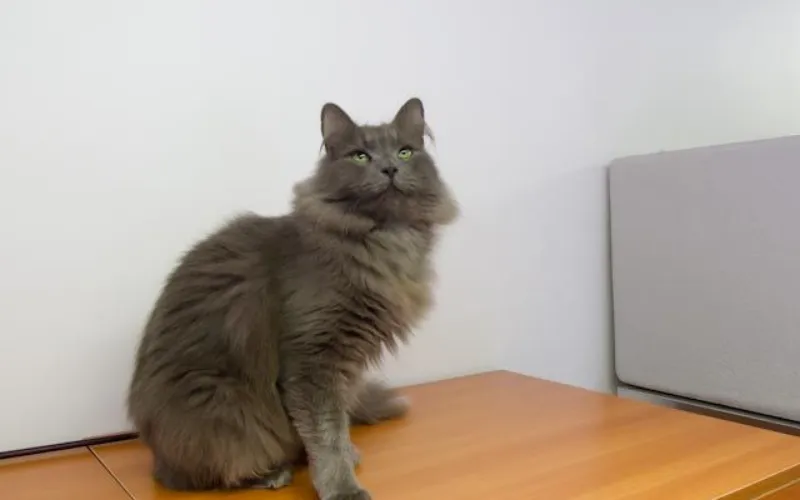
A Shelter Cat with a Painful Secret
When Elliot arrived at a local shelter, he was just under two years old, a handsome domestic medium-haired with a sweet nature and a painful problem. His previous family had lovingly surrendered him to a shelter, unable to afford the treatment he urgently needed. He was vocalising in pain, straining to urinate, and passing blood, all signs of a urethral obstruction, a condition that, if untreated, becomes life-threatening fast.
Dr Nicole Melhem, one of Edgeworth Vet Medical Centre’s founding partners, still worked occasional shifts at that shelter. She recognised the condition immediately and saw something special in Elliot. Without hesitation, she adopted him, bringing him home and under her care just as Edgeworth Vet opened its doors.
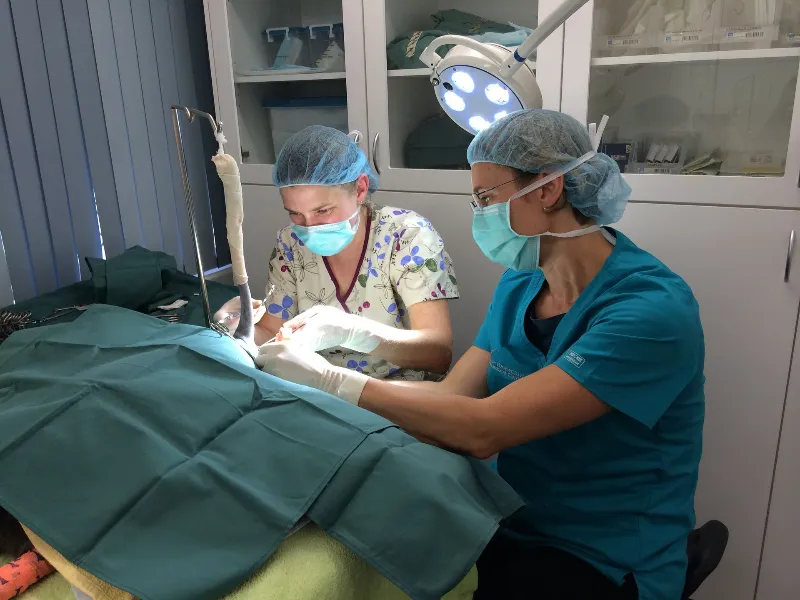
When Medical Management Isn’t Enough
Initially, Elliot was treated medically, and a urinary catheter was placed to relieve the obstruction and flush his bladder. This bought him some time, but it wasn’t a cure. The blockages kept returning, despite all efforts. For many cats, urinary obstruction can be triggered by crystals, inflammation, or even stress. In Elliot’s case, it seemed clear he would continue to suffer without a more permanent solution.
That’s when Dr Nicole made the call to proceed with a perineal urethrostomy (PU). During this surgery, the narrow tip of the urethra and the penis are removed, and a wider, more open urinary passage is created. It’s a major step, but for Elliot, it offered the freedom to urinate comfortably and live without the constant shadow of relapse.
“This surgery changed everything for Elliot, it gave him a real chance, not just to survive, but to thrive.”
A difficult but hopeful decision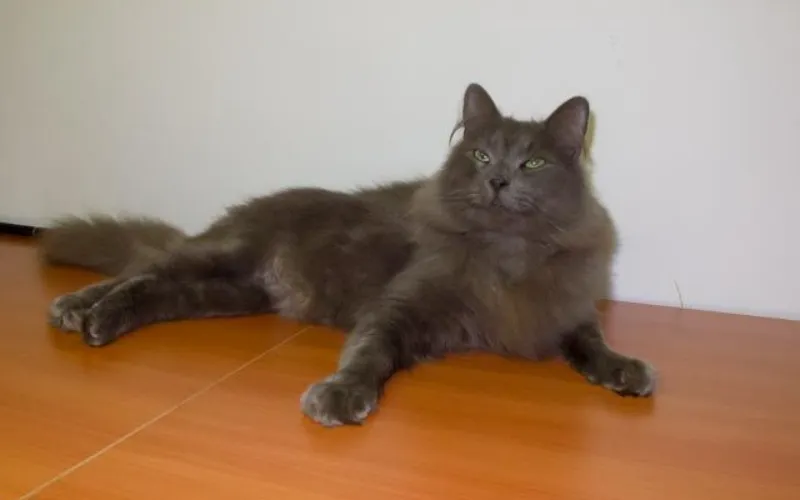
Recovery with Vigilance
After his procedure, Elliot remained in the hospital for 10 days, not because he was unwell, but because recovery needed to be carefully protected. Post-op cats can damage their surgical site by licking or overactivity, so in-hospital care allowed the team to closely monitor healing, ensure his e-collar stayed on, and track his bladder function as it gradually normalised.
Day by day, Elliot improved, resting, healing, and winning the hearts of everyone in the clinic.
By the time he was discharged, he was urinating freely, comfortable, and ready to begin the next chapter of his life.
A New Home, A Happy Ending
That next chapter came in the form of a new family. Elliot was adopted by the Petersons, a family who saw in him what Dr Nicole had: resilience, affection, and a second chance worth taking.
Today, Elliot is thriving. He’s on a prescription urinary diet to help prevent crystals from forming in his urine, a key step in avoiding future issues. He’s had no complications, no further obstructions, and no limitations on living life exactly as he pleases.
His story powerfully reminds us of what compassionate care, thoughtful surgery, and the right support system can do, even for the most vulnerable patients.
Veterinary Services
Trusted veterinary care across every life stage, from vaccinations and surgery to diagnostics, dental, and exotic care.


Frequently Asked Questions
What is a perineal urethrostomy in cats?
A perineal urethrostomy (PU) is a surgery that creates a wider urinary opening by removing the penis. It’s often recommended for male cats experiencing repeated urethral blockages.
How can I tell if my cat needs PU surgery?
If your cat has had more than one urinary blockage, especially if they’ve needed emergency care, your vet may recommend PU. It’s a permanent, preventative solution.
What’s involved in recovery after a PU procedure?
At Edgeworth Vet, cats typically stay in hospital for 10 days post-surgery. This helps prevent complications, protects the surgical site, and ensures daily monitoring of urine output.
What long-term care is needed after surgery?
A urinary prescription diet is often recommended to prevent crystals. Regular check-ups and monitoring of urination habits will help keep your cat healthy and complication-free.

Google Rating
4.7

I would like to say a massive thank you to Dr Nicole and the rest of the team for fitting in our dog for a torn dew claw this morning on such short notice. Ashlee on the phone was so lovely and quick to make the appointment for me. Our girl was treated with such care and we are very grateful 💕
Tiarna H.
Google Rating
4.7
Best vets I’ve ever been to with rabbits! Vet was so kind, gentle & knowledgeable. She not only looked after the unwell bunny, but also took our other bunnies at home into consideration. All staff were so helpful. The follow up phone call & sympathy card were so appreciated & such a beautiful touch. Will never take our pets anywhere else after such an amazing experience! 🩷
La fee
Google Rating
4.7
I was referred to Edgeworth vets as they have experience with bunnies and took my rabbit Ross there, he was old and not able to be saved so I had make the hard decision to have him put to sleep. The staff there were so kind and the vet I saw Kimberly was amazing. She was very kind and supportive and so gentle with Ross. I was able to stay with him while he passed and she talked me through everything. I’m so grateful to them that they helped Ross pass in a peaceful manner and cannot recommend them highly enough.
Katherine J.
Google Rating
4.7
Got recommended this business today for a very sick bunny, they got her straight in and were amazing. They kept us updated with care and compassion and although we lost our beautiful girl they were amazing. Would highly recommend this business and staff.
Thank you for caring and trying to save our sweet girl.
Peta L.
Google Rating
4.7
Thank you for the compassion your staff provided on Friday. ALL your staff were so lovely to us. We weren’t a regular client but you guys accommodated us, were empathetic and helped us in a really difficult time. I’m so thankful that I called and would highly recommend this veterinary service.
Jon B.
Google Rating
4.7
Booked it our new kitten for his first vet visit after we purchased him. The staff was so helpful and nice, plus they help us out after he did not enjoy the car trip very much. But they made him feel welcome and helped me out. The vet we sure was so helpful and answered all our questions. They even gave us a little info pack about our kitten etc. They were recommended to us by a good friend and I would 100% recommend them to anyone that has a pet that needs a caring vet.
Ian K.
Google Rating
4.7
These guys truly care. I couldn’t get my rabbit into his usual vet, however, they took him. Unfortunately it was the end of the journey for Boris and they were helpful, compassionate and loving the whole way. I even got a sympathy card 2 weeks later. Thank you for your love and care.
Kristy H.
Google Rating
4.7
Fantastic vets, we have been bringing our chickens here for 3 years now and have no complaints. Recently moved our cats to Edgeworth as well. All vets we have seen here have been great as well as the vet nurses. The receptionists are very helpful, its a releif to walk in the door and know that our pets are going to be well looked after.
Annette F.
Google Rating
4.7
Thank you for the beautiful card and condolences to our family after losing a battle with Jet. She tried so hard and fought like a little champion that she was. Thank you for your ongoing support, care, advice, and strength you showed to us, so that we could be strong. Unfortunately, little Jet succumbed to her many health issues but is now pain free. We will be under Edgeworth Animal Hospital for all of feathered family members. I couldn’t have asked for more
Debbie H.
Google Rating
4.7
I had an emergency with my cat, and came without an appointment. I was seen straight away. Every single interaction I had with the lovely people at this vet was amazing. They are so kind and go 110% for your fur baby. They went above and beyond and made this cat dad feel like everything was going to be ok. I cannot thank them enough.
James D.

Contact Info


After-Hours Emergencies
Contact AREC(Animal Referral & Emergency Centre)
1300 838 669