
735 Main Rd, Edgeworth,
NSW, 2285


From Hiding to Healing:
A quiet change
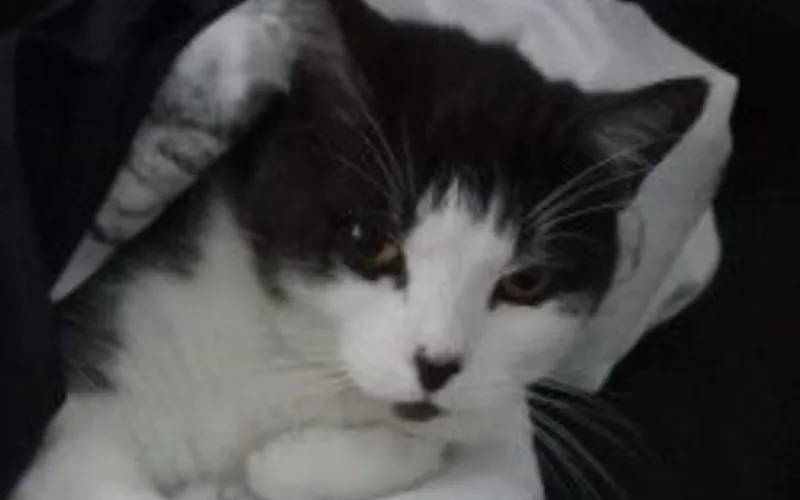
Marshall, a 13-year-old domestic shorthair, had always been a calm, affectionate cat. But over time, something shifted. He began to withdraw, hiding more often, disengaging from family life, and showing signs of irritation. He was shaking his head frequently and scratching at his right ear. He was brought to Edgeworth Vet Medical Centre in September 2024, it was clear he was uncomfortable. What initially seemed like a routine ear infection gradually unfolded into something far more persistent – the kind of chronic ear infection in cats that doesn’t respond to standard treatment and keeps coming back.
Looking beneath the surface
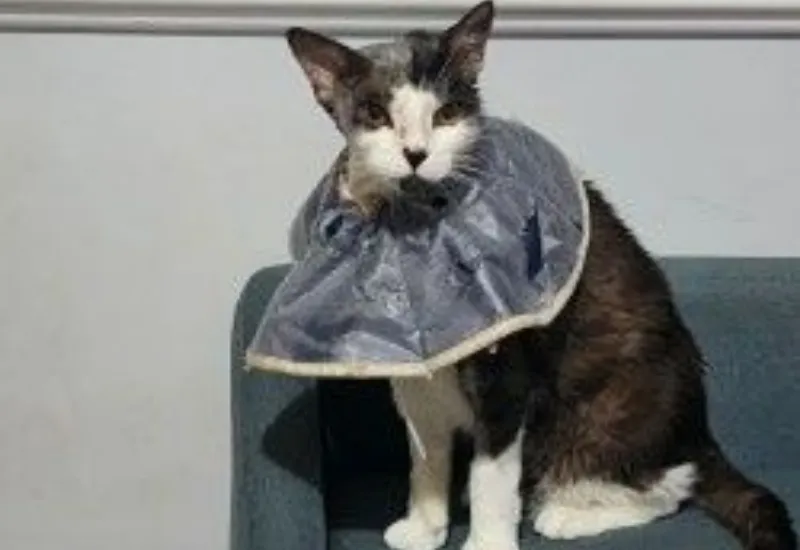
Marshall’s condition was managed carefully over the following months. His right ear was thoroughly cleaned under general anaesthesia, and swabs were submitted for culture. He was tested for a range of viral and bacterial infections, including FIV and FeLV, both of which returned negative. Despite multiple rounds of ear infection treatment and even full clearance of infection, the inflammation kept returning, always in the right ear. Over time, the episodes became more frequent, and the discomfort became more obvious.
In the early stages, Marshall had also shown signs of vomiting and an uneven pupil size, all small but important clues in a bigger picture of ongoing discomfort.
A difficult but hopeful decision
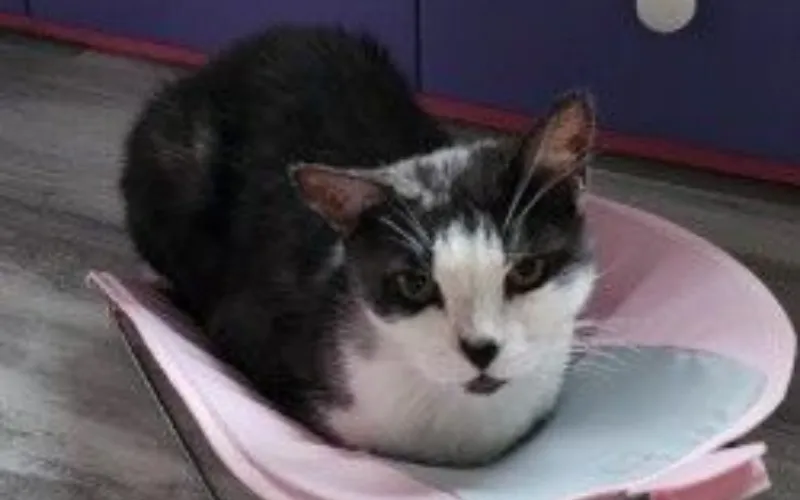
Felicity and her family were worried. The infections clearly affected Marshall’s quality of life; he wasn’t interacting, and he wasn’t himself. TECA-BO (Total Ear Canal Ablation and Bulla Osteotomy) was recommended as a long-term solution, often considered when chronic ear infection in cats becomes unmanageable with medication alone.
It’s a major surgery, especially in an older cat, but Marshall was otherwise healthy and in good hands. After careful consideration, his family made the brave and thoughtful decision to proceed.
“It was a really hard choice,” Felicity recalls. “But we wanted to give him every chance to be comfortable again.”
Surgery and aftercare
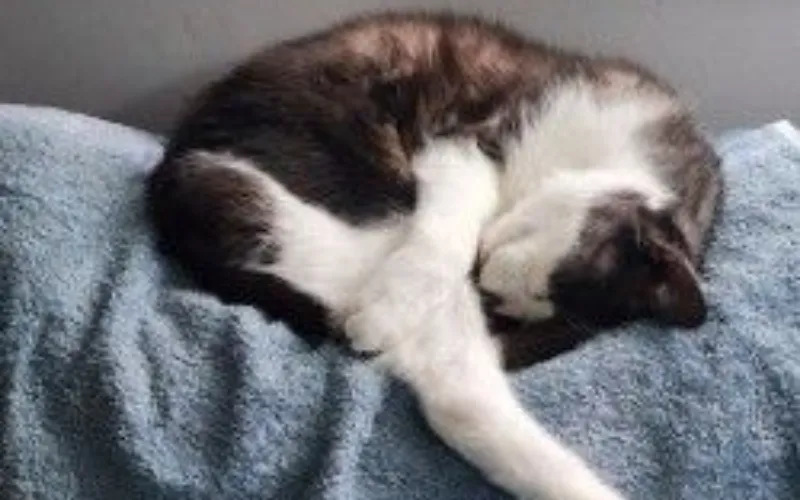
Dr. Perin performed the TECA-BO procedure in January 2025. It was a longer surgery, but Marshall handled it beautifully with no anaesthetic complications. The infected canal was removed, giving him the best possible chance at lasting comfort and freedom from repeat infection.
Post-operative recovery was smooth. Marshall had temporary difficulty blinking his right eye, a known side effect of this procedure, but his family diligently applied lubricating drops to protect the eye. Within a month, his blinking returned to normal.
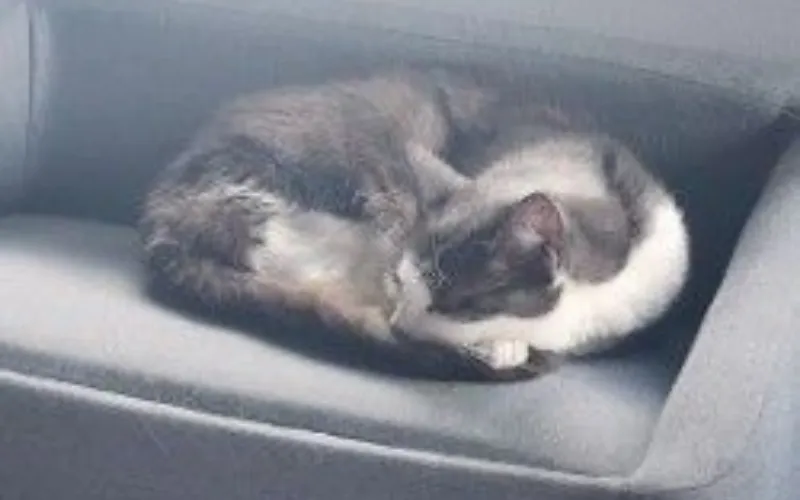
Back to himself
By eight weeks post-op, Marshall had turned a corner. He was more engaged, more playful, and clearly more comfortable.
His appetite returned, and so did his routines, following the family around and curling up for a nap in familiar spots. The transformation was gentle but unmistakable.
“I’m so glad we went ahead with the surgery,” says Felicity. “It gave him his quality of life back.”
Sharing experience to help others
Felicity has since offered to speak with other pet owners who might be facing the same decision. It wasn’t an easy decision, but it made all the difference for Marshall. His story reminds us that age isn’t always a barrier when health, heart, and expert care come together, and that persistent cases like Marshall’s require personalised ear infection treatment, and a team who truly understands chronic ear infections in cats. Contact us today, to find out how we can help your pet live it’s best life.
Veterinary Services
Trusted veterinary care across every life stage, from vaccinations and surgery to diagnostics, dental, and exotic care.


Frequently Asked Questions
What causes chronic ear infections in cats?
Chronic ear infections in cats can stem from underlying allergies, bacterial or fungal infections, or structural issues in the ear canal. In Marshall’s case, repeated infections persisted despite treatment, prompting further investigation and surgery.
How do you diagnose a cat ear infection at Edgeworth Animal Medical Centre?
Our vets perform ear swabs for culture, diagnostic imaging, and general anaesthesia ear exams. Marshall’s work-up included swabs, viral testing (including FIV and FeLV), and multiple infection clearances to confirm it was a recurring, localised issue.
When is surgery recommended for cat ear infections?
If an ear infection is severe, recurring, and resistant to treatment, surgery like TECA-BO may be advised. This was the case for Marshall, who showed persistent discomfort despite multiple treatments.
What is TECA-BO surgery, and how is it performed?
TECA-BO (Total Ear Canal Ablation and Bulla Osteotomy) is a surgical procedure that removes the ear canal to prevent further infection. At Edgeworth Vet Medical Centre, Dr Perin performed Marshall’s surgery with excellent anaesthetic outcomes and a smooth recovery.

Google Rating
4.7

I would like to say a massive thank you to Dr Nicole and the rest of the team for fitting in our dog for a torn dew claw this morning on such short notice. Ashlee on the phone was so lovely and quick to make the appointment for me. Our girl was treated with such care and we are very grateful 💕
Tiarna H.
Google Rating
4.7
Best vets I’ve ever been to with rabbits! Vet was so kind, gentle & knowledgeable. She not only looked after the unwell bunny, but also took our other bunnies at home into consideration. All staff were so helpful. The follow up phone call & sympathy card were so appreciated & such a beautiful touch. Will never take our pets anywhere else after such an amazing experience! 🩷
La fee
Google Rating
4.7
I was referred to Edgeworth vets as they have experience with bunnies and took my rabbit Ross there, he was old and not able to be saved so I had make the hard decision to have him put to sleep. The staff there were so kind and the vet I saw Kimberly was amazing. She was very kind and supportive and so gentle with Ross. I was able to stay with him while he passed and she talked me through everything. I’m so grateful to them that they helped Ross pass in a peaceful manner and cannot recommend them highly enough.
Katherine J.
Google Rating
4.7
Got recommended this business today for a very sick bunny, they got her straight in and were amazing. They kept us updated with care and compassion and although we lost our beautiful girl they were amazing. Would highly recommend this business and staff.
Thank you for caring and trying to save our sweet girl.
Peta L.
Google Rating
4.7
Thank you for the compassion your staff provided on Friday. ALL your staff were so lovely to us. We weren’t a regular client but you guys accommodated us, were empathetic and helped us in a really difficult time. I’m so thankful that I called and would highly recommend this veterinary service.
Jon B.
Google Rating
4.7
Booked it our new kitten for his first vet visit after we purchased him. The staff was so helpful and nice, plus they help us out after he did not enjoy the car trip very much. But they made him feel welcome and helped me out. The vet we sure was so helpful and answered all our questions. They even gave us a little info pack about our kitten etc. They were recommended to us by a good friend and I would 100% recommend them to anyone that has a pet that needs a caring vet.
Ian K.
Google Rating
4.7
These guys truly care. I couldn’t get my rabbit into his usual vet, however, they took him. Unfortunately it was the end of the journey for Boris and they were helpful, compassionate and loving the whole way. I even got a sympathy card 2 weeks later. Thank you for your love and care.
Kristy H.
Google Rating
4.7
Fantastic vets, we have been bringing our chickens here for 3 years now and have no complaints. Recently moved our cats to Edgeworth as well. All vets we have seen here have been great as well as the vet nurses. The receptionists are very helpful, its a releif to walk in the door and know that our pets are going to be well looked after.
Annette F.
Google Rating
4.7
Thank you for the beautiful card and condolences to our family after losing a battle with Jet. She tried so hard and fought like a little champion that she was. Thank you for your ongoing support, care, advice, and strength you showed to us, so that we could be strong. Unfortunately, little Jet succumbed to her many health issues but is now pain free. We will be under Edgeworth Animal Hospital for all of feathered family members. I couldn’t have asked for more
Debbie H.
Google Rating
4.7
I had an emergency with my cat, and came without an appointment. I was seen straight away. Every single interaction I had with the lovely people at this vet was amazing. They are so kind and go 110% for your fur baby. They went above and beyond and made this cat dad feel like everything was going to be ok. I cannot thank them enough.
James D.

Contact Info


After-Hours Emergencies
Contact AREC(Animal Referral & Emergency Centre)
1300 838 669