
735 Main Rd, Edgeworth,
NSW, 2285


Booboo’s Story: A Bladder Stone,
A Subtle Change in a Familiar Routine
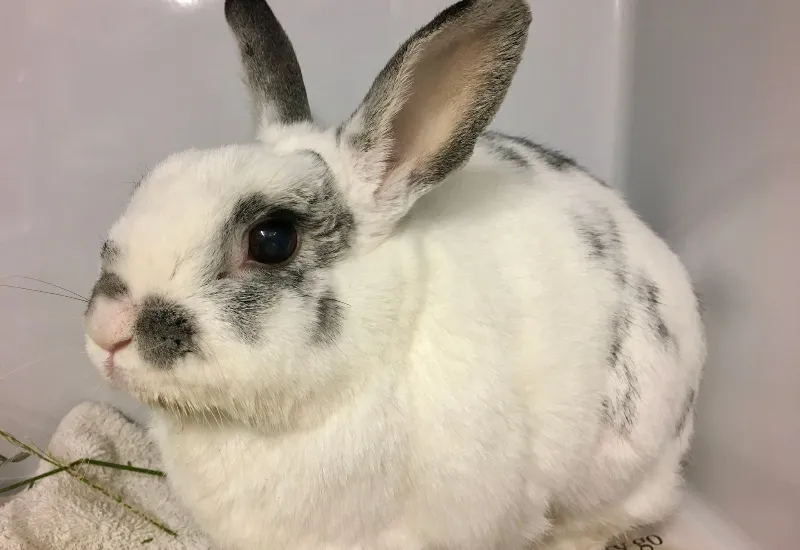
At eight years old, Booboo the Dutch Dwarf Rabbit was no stranger to veterinary care. He’d had the occasional bout of bladder sludge before, common enough in older rabbits, but this time felt different. His owners noticed he was urinating in unusual spots around the house, lifting his tail and straining with effort.
Concerned, they brought him to Edgeworth Animal Medical Centre, where a palpable mass in his bladder suggested a more serious culprit.
Confirming What Couldn’t Be Seen
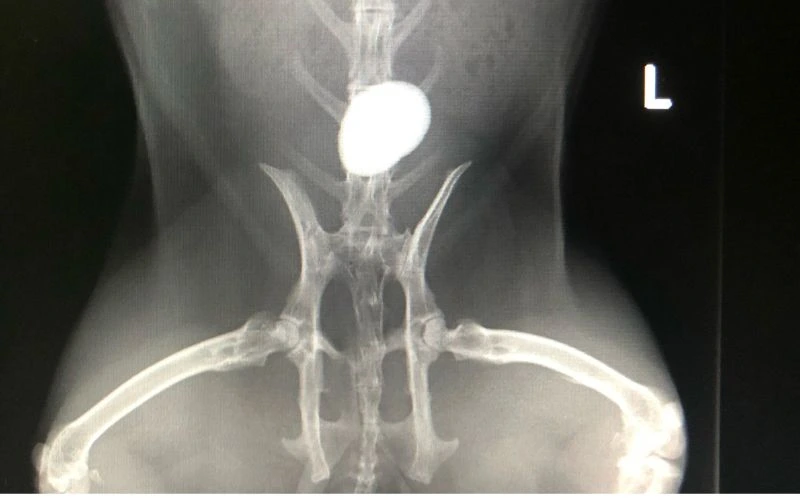
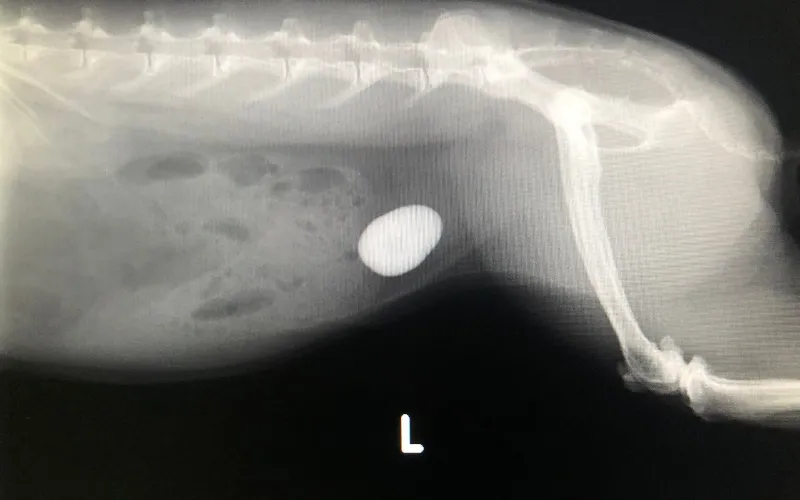
Radiographs confirmed their suspicions: a single, large calcified bladder stone. Thankfully, there were no other stones hiding in the kidneys or urethra. Booboo was otherwise stable and alert, so the team prepared him for surgery with pre-anaesthetic bloodwork and supportive fluid therapy.
“We’ve always said rabbits like Booboo are some of the bravest patients we see, they are quiet little fighters with more heart than most people realise.”
Edgeworth Animal Medical Centre Team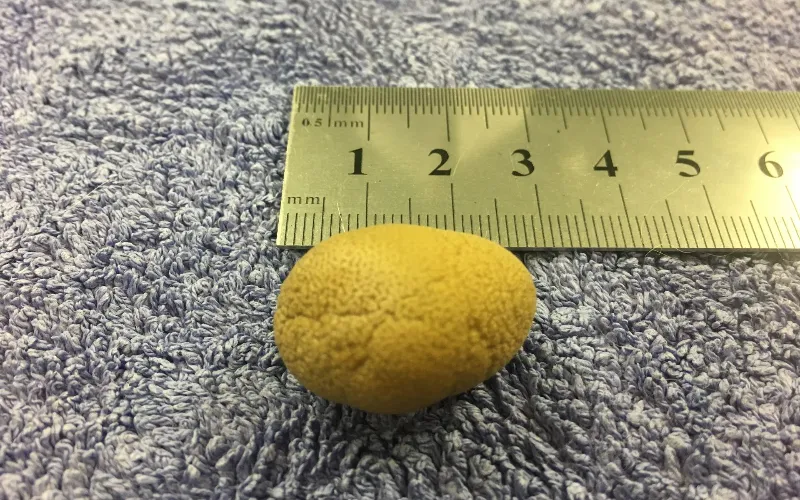
A Smooth Surgery with Swift Support
Booboo underwent a cystotomy the next day, a surgical procedure to open the bladder and remove the stone. From start to finish, the surgery took just under 40 minutes. He stayed overnight at the clinic, monitored closely as he recovered from anaesthesia and received pain relief and gut stimulants to help his digestive system bounce back (a crucial part of rabbit care).
By morning, Booboo was back to nibbling greens and bright-eyed enough to head home.
Recovery and A Return to Normal
At home, his care included five days of antibiotics and pain medication, alongside prokinetic medications to support his gut. His family knew the road to recovery wasn’t just about healing from surgery, it meant preventing another stone from forming. That’s where their dedication truly shone.
From that point forward, Booboo’s diet was tailored with care: no high-oxalate vegetables, no calcium-rich treats, and no grazing on kikuyu grass. His owners kept his hydration up with wet veggies and daily syringes of extra water, small rituals that became second nature.
A Gentle, Happy Life for Years to Come
Booboo lived for another five years after his surgery. Though he still occasionally built up some bladder sludge, no more stones ever developed. His tail stopped lifting, his litter habits returned to normal, and he remained a much-loved part of the family.
He passed away peacefully in June 2024, nearly 14 years old. A tiny rabbit with a resilient spirit, and a family who gave him every chance to live a long, comfortable life.
Veterinary Services
Trusted veterinary care across every life stage, from vaccinations and surgery to diagnostics, dental, and exotic care.


Frequently Asked Questions
What are the symptoms of a bladder stone in rabbits?
Common signs include straining to urinate, urinating in unusual places, blood in the urine, and behavioural changes like discomfort or lethargy.
Is bladder surgery safe for older rabbits?
While surgery carries risks, especially in senior pets, a well-managed anaesthetic plan and expert aftercare can make it a safe and successful option, as Booboo’s case shows.
Are spinach and kale safe for rabbits with bladder issues?
For most rabbits, spinach and kale can be part of a healthy, balanced diet. However, for rabbits with a history of bladder sludge or stones, we recommend limiting high-oxalate or high-calcium greens such as spinach, kale, and kikuyu grass. Instead, offer safer alternatives like bok choy, pak choy, and fresh herbs. These lower-risk greens help reduce calcium build-up while still providing variety. Every rabbit is different, so it’s always best to tailor their diet with your vet’s guidance.
How do you prevent bladder stones in rabbits?
A low-calcium, low-oxalate diet is key. Avoid spinach, kale, and kikuyu. Encourage water intake with wet veggies or supplemental syringing.
Is this considered exotic animal surgery?
Yes. Rabbits have unique anatomy and needs, so procedures like cystotomy fall under the realm of exotic animal surgery and require exotics knowledge.

Google Rating
4.7

I would like to say a massive thank you to Dr Nicole and the rest of the team for fitting in our dog for a torn dew claw this morning on such short notice. Ashlee on the phone was so lovely and quick to make the appointment for me. Our girl was treated with such care and we are very grateful 💕
Tiarna H.
Google Rating
4.7
Best vets I’ve ever been to with rabbits! Vet was so kind, gentle & knowledgeable. She not only looked after the unwell bunny, but also took our other bunnies at home into consideration. All staff were so helpful. The follow up phone call & sympathy card were so appreciated & such a beautiful touch. Will never take our pets anywhere else after such an amazing experience! 🩷
La fee
Google Rating
4.7
I was referred to Edgeworth vets as they have experience with bunnies and took my rabbit Ross there, he was old and not able to be saved so I had make the hard decision to have him put to sleep. The staff there were so kind and the vet I saw Kimberly was amazing. She was very kind and supportive and so gentle with Ross. I was able to stay with him while he passed and she talked me through everything. I’m so grateful to them that they helped Ross pass in a peaceful manner and cannot recommend them highly enough.
Katherine J.
Google Rating
4.7
Got recommended this business today for a very sick bunny, they got her straight in and were amazing. They kept us updated with care and compassion and although we lost our beautiful girl they were amazing. Would highly recommend this business and staff.
Thank you for caring and trying to save our sweet girl.
Peta L.
Google Rating
4.7
Thank you for the compassion your staff provided on Friday. ALL your staff were so lovely to us. We weren’t a regular client but you guys accommodated us, were empathetic and helped us in a really difficult time. I’m so thankful that I called and would highly recommend this veterinary service.
Jon B.
Google Rating
4.7
Booked it our new kitten for his first vet visit after we purchased him. The staff was so helpful and nice, plus they help us out after he did not enjoy the car trip very much. But they made him feel welcome and helped me out. The vet we sure was so helpful and answered all our questions. They even gave us a little info pack about our kitten etc. They were recommended to us by a good friend and I would 100% recommend them to anyone that has a pet that needs a caring vet.
Ian K.
Google Rating
4.7
These guys truly care. I couldn’t get my rabbit into his usual vet, however, they took him. Unfortunately it was the end of the journey for Boris and they were helpful, compassionate and loving the whole way. I even got a sympathy card 2 weeks later. Thank you for your love and care.
Kristy H.
Google Rating
4.7
Fantastic vets, we have been bringing our chickens here for 3 years now and have no complaints. Recently moved our cats to Edgeworth as well. All vets we have seen here have been great as well as the vet nurses. The receptionists are very helpful, its a releif to walk in the door and know that our pets are going to be well looked after.
Annette F.
Google Rating
4.7
Thank you for the beautiful card and condolences to our family after losing a battle with Jet. She tried so hard and fought like a little champion that she was. Thank you for your ongoing support, care, advice, and strength you showed to us, so that we could be strong. Unfortunately, little Jet succumbed to her many health issues but is now pain free. We will be under Edgeworth Animal Hospital for all of feathered family members. I couldn’t have asked for more
Debbie H.
Google Rating
4.7
I had an emergency with my cat, and came without an appointment. I was seen straight away. Every single interaction I had with the lovely people at this vet was amazing. They are so kind and go 110% for your fur baby. They went above and beyond and made this cat dad feel like everything was going to be ok. I cannot thank them enough.
James D.

Contact Info


After-Hours Emergencies
Contact AREC(Animal Referral & Emergency Centre)
1300 838 669