
735 Main Rd, Edgeworth,
NSW, 2285


The moment you get your pet back in your arms can feel like the hardest part of surgery is over. But recovery comes next, and it looks different for every patient. We know that having a much-loved family member undergo a major veterinary procedure can be stressful, and everyone wants to know what to do once their pet comes home. It’s normal to ask what’s normal!
At Edgeworth Animal Medical Centre, we’re a local, independent clinic offering lifetime healthcare for local pets, including surgery and advanced options such as orthopaedic and soft tissue surgery. We’ve had the pleasure of helping countless pets for many different reasons, and some of the biggest influences on how they bounce back are the procedure itself, their individual makeup and the location of the surgery.
Every pet leaves us with specific aftercare instructions, and you can rest assured we’re here to help make their recovery as safe and smooth as possible.
“There is no universal timeline for recovery following surgery. It really depends on what your pet has had done.”
The first night at home can look a little different
Regardless of the veterinary procedure, one thing you can almost be certain of is that the first few hours will involve plenty of sleeping. That might mean extra naps or snoozing more heavily than usual. You can also expect reduced activity.
One thing you may not be aware of but should keep in mind is that general anaesthesia affects the ability to control body temperature. Pets can be more sensitive to heat and cold during recovery, so keep them in a thermally comfortable environment, around 22–25 degrees Celsius.
Don’t be alarmed by an episode of vomiting on the evening of the procedure, as some anaesthetic drugs can cause this. However, vomiting the following day is different, and for our patients, we’d want to know about it. It could be related to medication or another problem that needs proper assessment.
We provide extensive pain relief for our patients, but despite our best efforts, some pets may still become uncomfortable later in the evening. Owners will usually have additional medication or instructions for what can be given if needed. Please only give medications prescribed for your pet, and seek veterinary advice if their pain doesn’t seem adequately controlled.
Ideally, your pet will have someone nearby at all times to provide comfort. When you think about it, humans need loving support during difficult times and when we’re not feeling well. Our pets are the same.
Our clinic isn’t staffed overnight, so we never leave a potentially unstable patient here. We’ll recommend an overnight care facility if this is within your capacity. If not, they can at least be watched closely at home and receive additional care if needed.
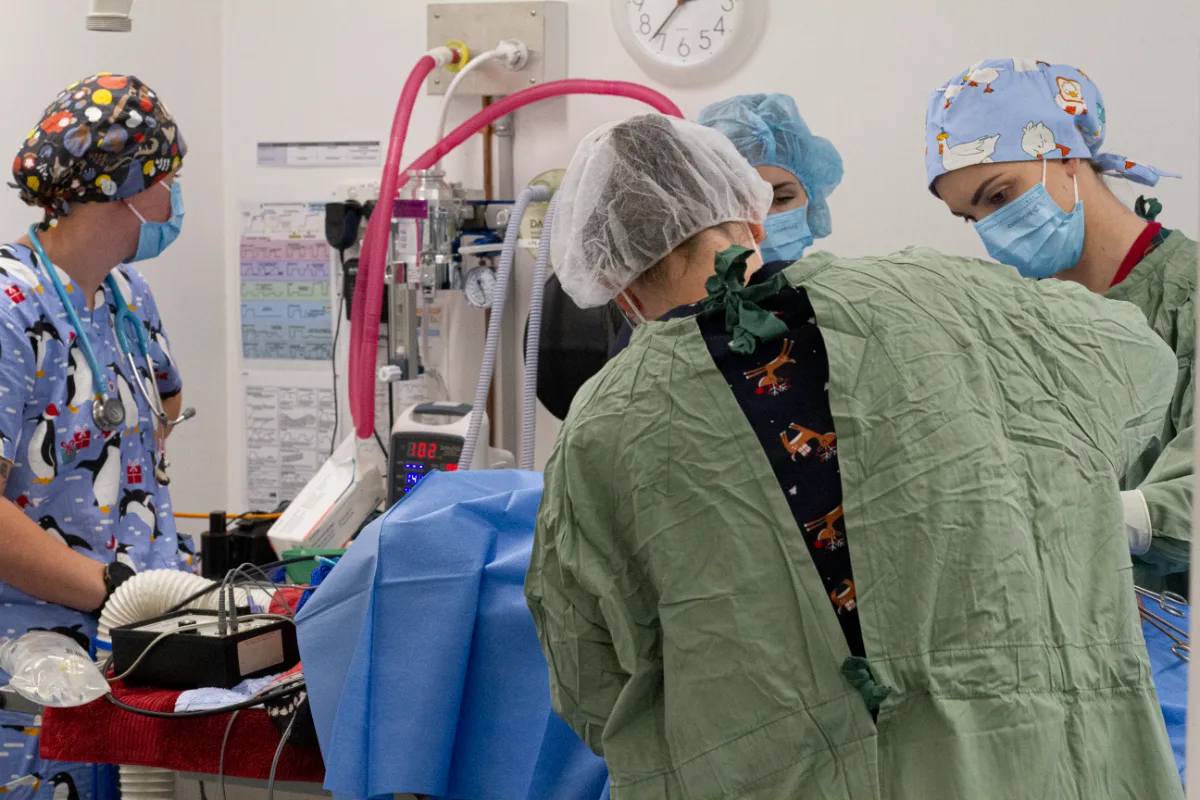
Recovery depends on the procedure type
There is no universal timeline for recovery following surgery. It really depends on what your pet has had done, where they’ve had it done and, to some extent, the pet themselves. Some are more robust than others! For example, orthopaedic surgery can require about six weeks of restricted activity, but even then, the degree of restriction depends on the specific procedure. For major abdominal surgery, say, for the removal of something that shouldn’t be in there, like socks or undies, you’re likely looking at soft food divided into smaller meals for a couple of weeks, in addition to reduced activity.
Ultimately, recently cut muscle, fat and skin need time to heal. During this period, they can produce more fluid when your pet is active (hence, the restricted activity). This build-up can cause uncomfortable swelling and create conditions where infection may develop if there’s another problem, like wound licking.
Speaking of licking, if your pet has external stitches, expect them to be asked to wear a cone of shame or one of the newer and much more appealing body suits for a time. Licking is one of the leading factors in wound infections.
There’s a big difference in recovery expectations when the procedure is routine. Following a de-sexing, patients tend to be back to their usual selves within two to four days, and it’s typically on the shorter side for the boys!
The little things at home can have a big impact
As mentioned, our pets love some comforting cuddles as much as we do. So, for non-urgent procedures, it can be helpful to schedule surgery for a time when someone is able to be home afterwards. And if you have other furry companions of the rather boisterous variety, consider having them stay with friends or family for a few nights while your patient gets some peace and quiet.
If you’re able to, you can have your pet fitted for a soft doughnut-style anti-lick collar or suitable recovery clothing before surgery, as many find these easier to live with than a traditional e-collar. And while we know the e-collar, or cone of shame, can be quite detested by the wearer, it’s important not to remove it early just because your pet isn’t impressed. We have, unfortunately, restitched many a wound for this very reason.
In addition to premature e-collar removal, there are a few other things that can unintentionally cause problems during recovery:
- Too much activity after orthopaedic surgery: Activity restrictions really do matter here. Overdoing it on a recently operated limb can have serious consequences.
- Allowing bandages to get wet: A wet bandage can lead to infection and tightening around the limb. In severe cases, this can compromise the blood supply and result in serious, potentially irreversible damage.
- Not telling everyone about dietary restrictions: If your pet needs small, soft meals after gastrointestinal surgery, make sure everyone who might feed them knows. The internal incision is still healing, and feeding something they shouldn’t have can cause serious complications.
When recovery seems to be going backwards
In general, we expect pets recovering from major procedures to still eat, drink, urinate and defecate. If any of these stop, we want to hear from you. One exception is pets with a fentanyl patch, as this powerful, long-acting pain relief can prevent them from passing a stool for a few days. Hiding can also be a subtle sign that something isn’t right in cats.
We’re particularly interested if your pet seems to go backwards. If they were eating and suddenly stop, or were putting weight on a leg and no longer are, please let us know. Photos and videos can be extremely helpful too, especially for a limp or odd behaviour that only happens occasionally. Sometimes a quick video is enough to help us work out what’s happening or put your mind at rest.
Recovery starts before your pet comes home
Immediately after surgery, a nurse will usually stay one-on-one with your pet for 10–45 minutes. They’ll monitor their breathing, remove the breathing tube at the right time, watch for vomiting and work on getting their body temperature back to normal to support recovery and healing.
Once they’re home, we still want to know how things are looking. If you notice discharge from the wound, ongoing bleeding or bruising, even if it seems minor, give us a call.
If you’ve been told your pet needs a major procedure, or you’re concerned their health problems may be heading that way, contact Edgeworth Animal Medical Centre or book an appointment.
By Dr Perin Patterson
“We’re particularly interested if your pet seems to go backwards.”
Veterinary Services
Trusted veterinary care across every life stage, from vaccinations and surgery to diagnostics, dental, and exotic care.


Frequently Asked Questions
What is normal on the first night after pet surgery?
Extra sleep, heavier sleeping and reduced activity are common during the first few hours. General anaesthesia can also affect your pet’s ability to regulate their body temperature, so keep them somewhere thermally comfortable, around 22–25 degrees Celsius.
How long does recovery take after major pet surgery?
There is no single recovery timeline because it depends on the procedure, its location and the individual pet. Orthopaedic surgery can require around six weeks of restricted activity, while pets undergoing routine de-sexing tend to be back to their usual selves within two to four days.
Is vomiting normal after my pet has surgery?
An episode of vomiting on the evening of the procedure can occur because of some anaesthetic drugs. Vomiting the following day is different and should be reported to your vet, as it may be related to medication or another problem that needs assessment.
What signs suggest my pet’s recovery is going backwards?
A pet recovering from a major procedure should generally continue eating, drinking, urinating and passing stools, although fentanyl patches can prevent bowel movements for a few days. If your pet stops doing something they were previously doing, such as eating or putting weight on a leg, or your cat starts hiding, veterinary advice is warranted.
How can I help my pet recover safely after surgery?
Follow the aftercare instructions provided for your pet, particularly any restrictions around activity, diet, wound care and bandages. Prevent wound licking, keep bandages dry and only give medications prescribed for your pet.

Contact Info


After-Hours Emergencies
Contact AREC(Animal Referral & Emergency Centre)
1300 838 669