
735 Main Rd, Edgeworth,
NSW, 2285


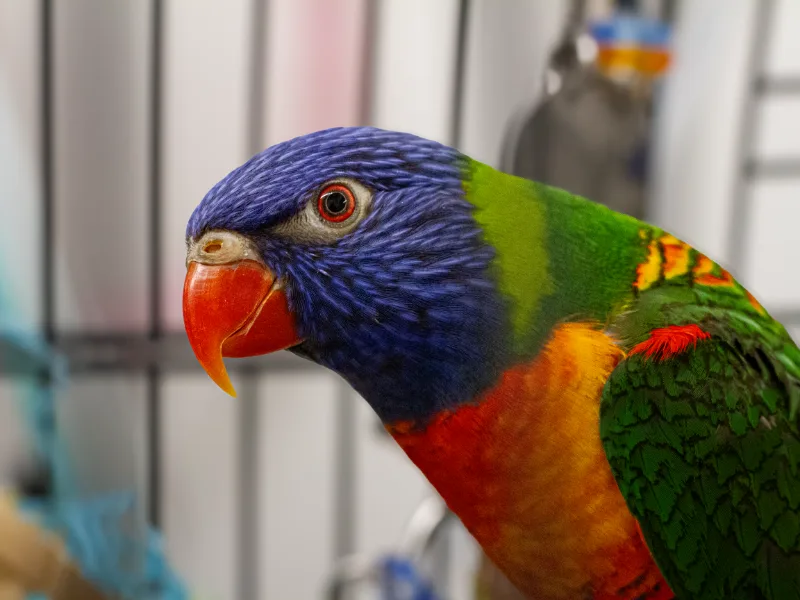
Keeping Your Pets Safe as Bird Flu Reaches NSW
Bird flu has arrived in Australia, and with confirmed cases in wildlife in NSW, pet owners across Newcastle and the Hunter understandably have questions about what this means and how serious the risk is. For families with cats, it’s particularly important to understand how to reduce their risk and what signs to watch for.
Below, we’ve answered some of the questions our team is hearing most often. For more extensive and up-to-date information, you can also visit the Australian Government Department of Agriculture, Fisheries and Forestry.
For now, it’s business as usual at Edgeworth Animal Medical Centre. Our team is closely following official advice and has biosecurity protocols ready should the situation change. If additional precautions become necessary, we’ll keep our clients informed and make any changes required to continue caring for our patients safely.
Veterinary Services
Trusted veterinary care across every life stage, from vaccinations and surgery to diagnostics, dental, and exotic care.


Frequently Asked Questions
Is bird flu really that serious?
Yes. H5 bird flu is a serious and highly contagious disease that can cause severe illness and high death rates in birds. It has also infected some mammals overseas and has now been detected in Australian wildlife. The good news is that there have been no detections in Australian poultry or the wider agricultural production system, and the risk to people in Australia remains low.
What can I do to protect my pet bird from bird flu?
Try to keep your bird away from wild birds and anything they may have contaminated, including droppings and water. Make sure wild birds can’t access your bird’s food or water, and regularly clean their enclosure, bowls and other equipment.
Good hygiene is important too. Wash your hands before and after handling your birds, and if you bring a new bird home, keep them separate from your existing birds for at least 30 days. Avoid sharing equipment with other bird owners, or make sure it has been properly cleaned and disinfected before use.
When will a bird flu vaccine be available for pet birds?
At this stage, there is no general H5 bird flu vaccination program for pet birds in Australia. You may have heard about birds being vaccinated in NSW, but this is a targeted government program for vulnerable native species.
Vaccination decisions are being made by state and territory governments under a national framework, with priority given to certain captive or managed native bird species. For pet birds, good biosecurity remains the best protection, and we’ll continue to follow government advice if vaccination recommendations change.
Should I keep my bird indoors because of bird flu?
Where possible, keeping pet birds indoors or otherwise separated from wild birds can help reduce their risk of exposure. If your birds live in an outdoor aviary, focus on preventing wild birds from entering or accessing their food and water. Birds should also be kept away from open ponds, lakes and creeks where they could come into contact with wild birds or contaminated water.
What are the signs of bird flu in pet birds?
Bird flu can cause a range of symptoms, and affected birds can become very unwell quite quickly. Signs to watch for include:
- lethargy or a sudden loss of appetite
- ruffled feathers or a droopy appearance
- swelling around the head or limbs
- difficulty breathing, sneezing or nasal discharge
- diarrhoea
- unusual head or neck movements
- loss of coordination or difficulty standing or walking
- a sudden drop in egg production.
These symptoms can also be caused by many other illnesses, so seeing one or more doesn’t necessarily mean your bird has bird flu. If you’re concerned about your bird, call us before coming into the clinic so we can advise you on what to do next.
What should I do if I think my bird may have bird flu?
Please call us before bringing your bird into the clinic. This allows our team to ask about your bird’s symptoms and possible exposure and advise you on what to do next. It also means we can put the appropriate biosecurity precautions in place before your arrival if necessary.
Bird flu is a notifiable animal disease. Suspected cases must be reported, and you can also contact the 24-hour Emergency Animal Disease Hotline on 1800 675 888.
Can cats catch bird flu?
Yes, although H5 bird flu mainly affects birds, cats can become infected. Overseas cases have generally been associated with exposure to infected birds or other animals, or with eating contaminated raw pet food or drinking unpasteurised milk. Keeping cats indoors is one of the best ways to reduce their risk of exposure to infected wildlife.
Signs in cats can include lethargy, loss of appetite, fever, eye or nasal discharge, breathing difficulties and neurological problems such as tremors, seizures or loss of coordination. In some cases, the infection can be fatal.
How can I protect my cat from bird flu?
Keeping your cat indoors is one of the most useful precautions you can take. Cats should not be allowed to hunt, eat or come into contact with wild birds, particularly birds that appear sick or have died.
The Department of Agriculture also identifies consumption of raw pet food as a possible route of exposure seen in cats and dogs overseas. Prevent wild birds from accessing your cat’s food and water, and if you have handled a sick or dead bird, shower and change your clothes before handling your pets.
What should I do if I find a sick or dead wild bird?
Don’t touch it and keep children and pets away. Avoid contact with the bird itself as well as its feathers, droppings, eggs and the surrounding area.
If you find multiple sick or dead birds or other animals, record the location and, if you can do so safely from a distance, take photos or video. Report what you have found to the Emergency Animal Disease Hotline on 1800 675 888.
Can people catch bird flu from birds or pets?
It is possible, but bird flu in people is rare. Cases have generally been linked to close contact with infected birds or other animals.
The Australian Centre for Disease Control currently considers the risk from H5 bird flu to people in Australia low, and no human infections with the H5 strain currently circulating in Australian wildlife have been reported here. The best precaution is to avoid touching sick or dead birds and other wildlife.

Google Rating
4.7

I would like to say a massive thank you to Dr Nicole and the rest of the team for fitting in our dog for a torn dew claw this morning on such short notice. Ashlee on the phone was so lovely and quick to make the appointment for me. Our girl was treated with such care and we are very grateful 💕
Tiarna H.
Google Rating
4.7
Best vets I’ve ever been to with rabbits! Vet was so kind, gentle & knowledgeable. She not only looked after the unwell bunny, but also took our other bunnies at home into consideration. All staff were so helpful. The follow up phone call & sympathy card were so appreciated & such a beautiful touch. Will never take our pets anywhere else after such an amazing experience! 🩷
La fee
Google Rating
4.7
I was referred to Edgeworth vets as they have experience with bunnies and took my rabbit Ross there, he was old and not able to be saved so I had make the hard decision to have him put to sleep. The staff there were so kind and the vet I saw Kimberly was amazing. She was very kind and supportive and so gentle with Ross. I was able to stay with him while he passed and she talked me through everything. I’m so grateful to them that they helped Ross pass in a peaceful manner and cannot recommend them highly enough.
Katherine J.
Google Rating
4.7
Got recommended this business today for a very sick bunny, they got her straight in and were amazing. They kept us updated with care and compassion and although we lost our beautiful girl they were amazing. Would highly recommend this business and staff.
Thank you for caring and trying to save our sweet girl.
Peta L.
Google Rating
4.7
Thank you for the compassion your staff provided on Friday. ALL your staff were so lovely to us. We weren’t a regular client but you guys accommodated us, were empathetic and helped us in a really difficult time. I’m so thankful that I called and would highly recommend this veterinary service.
Jon B.
Google Rating
4.7
Booked it our new kitten for his first vet visit after we purchased him. The staff was so helpful and nice, plus they help us out after he did not enjoy the car trip very much. But they made him feel welcome and helped me out. The vet we sure was so helpful and answered all our questions. They even gave us a little info pack about our kitten etc. They were recommended to us by a good friend and I would 100% recommend them to anyone that has a pet that needs a caring vet.
Ian K.
Google Rating
4.7
These guys truly care. I couldn’t get my rabbit into his usual vet, however, they took him. Unfortunately it was the end of the journey for Boris and they were helpful, compassionate and loving the whole way. I even got a sympathy card 2 weeks later. Thank you for your love and care.
Kristy H.
Google Rating
4.7
Fantastic vets, we have been bringing our chickens here for 3 years now and have no complaints. Recently moved our cats to Edgeworth as well. All vets we have seen here have been great as well as the vet nurses. The receptionists are very helpful, its a releif to walk in the door and know that our pets are going to be well looked after.
Annette F.
Google Rating
4.7
Thank you for the beautiful card and condolences to our family after losing a battle with Jet. She tried so hard and fought like a little champion that she was. Thank you for your ongoing support, care, advice, and strength you showed to us, so that we could be strong. Unfortunately, little Jet succumbed to her many health issues but is now pain free. We will be under Edgeworth Animal Hospital for all of feathered family members. I couldn’t have asked for more
Debbie H.
Google Rating
4.7
I had an emergency with my cat, and came without an appointment. I was seen straight away. Every single interaction I had with the lovely people at this vet was amazing. They are so kind and go 110% for your fur baby. They went above and beyond and made this cat dad feel like everything was going to be ok. I cannot thank them enough.
James D.

Contact Info


After-Hours Emergencies
Contact AREC(Animal Referral & Emergency Centre)
1300 838 669