
735 Main Rd, Edgeworth,
NSW, 2285


Ticks don’t wait for summer, and fleas don’t care how clean your home is. The really scary part is that both only need a moment to make your pet their next host. Living in Newcastle, where the mild climate keeps parasites active year-round, means they never truly disappear. That’s why consistent, proactive prevention and prompt treatment matter.
At Edgeworth Animal Medical Centre, we’re a local, independent clinic built on the bonds between animals, their owners and the community we call home. We want every pet to be protected from threats like ticks and fleas, because it only takes one paralysis tick to cause a tragedy or a long, expensive hospital stay. Prevention really is better than cure.
Understanding flea and tick risks in the Newcastle area
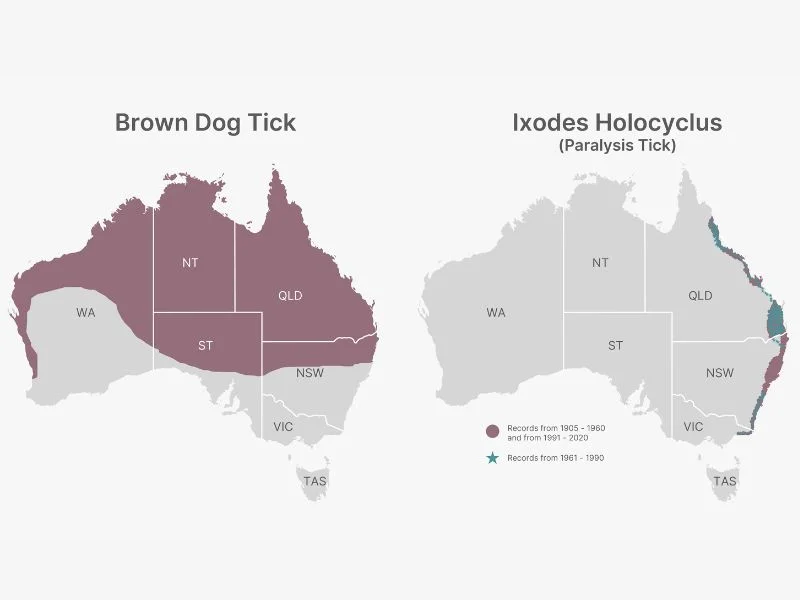
Paralysis ticks are found right across the Newcastle region and the entire eastern seaboard, from Northern Queensland to Victoria. They can be picked up at any time of year but are most common from late winter through summer, when the weather is warm and humid. Many cases appear in early spring as some owners tend to ease off on prevention over winter, which leaves pets exposed just as conditions become ideal for ticks.
Bushy, coastal areas pose the highest risk, but truthfully, ticks can turn up almost anywhere. Even indoor cats are not completely safe. We’ve seen cases where ticks were brought in by owners returning from bushwalks or after working in the garden.
Fleas are less common these days thanks to modern treatments, but we still see them on pets that aren’t protected or are using older products that no longer work as well. They cause itching, irritation and, in some cases, allergic reactions, hair loss or anaemia in young animals. The few fleas you notice are only a small part of the problem. Thousands of eggs and larvae sit hidden in the environment, waiting for the right moment to hatch. Having every pet in the household on prevention is the only way to keep them under control.
Treatment and prevention options
Longer-acting products that contain an isoxazoline are the best defence against ticks and fleas as they provide steady coverage where monthly treatments can sometimes be missed or delayed. We often see paralysis tick cases in pets that are only a few days overdue for their preventatives. The injection option is especially helpful for dogs that refuse to take chews. While no product is completely foolproof, these give pets the most reliable safeguard available.
If you’re travelling to northern Australia, take extra precautions. The brown dog tick is now common in that region, and it carries the bacterial disease Ehrlichiosis. Local preventatives for paralysis ticks kill the tick after it feeds, but this is too slow to stop blood-borne infections. A tick-repellent collar can prevent bites and protect dogs for approximately four months.
Timing matters too. If your dog’s annual tick injection is due around the time you plan to travel, it’s best to bring it forward. The injection protects against paralysis ticks for twelve months, but only covers brown dog ticks for about eleven. While this tick isn’t yet found in the Newcastle region, its range is expected to spread south as the climate changes, and this makes awareness and proactive action really important.
A small number of dogs may react poorly to isoxazoline products. If you have any concerns or notice unusual symptoms, speak with your vet to find a safe alternative. For cats, spot-on treatments are the best option, particularly if they spend time outdoors or live with other pets that do.
Common myths and mistakes to avoid
One of the most common misconceptions we hear is, “We don’t get ticks here.” In reality, tick distribution changes from year to year, and they can travel remarkable distances on wildlife, people and other pets. Even if you’ve never seen a tick in your area, it doesn’t mean they aren’t there.
Another concern is when owners assume that pets who stay home all the time can’t be affected. Ticks don’t need your dog or cat to go looking for them; they can easily come to you.
Owners with short-haired dogs often think they’ll notice a tick right away, but ticks like to hide in folds of skin, ear canals, nostrils and other crevices. You likely won’t see them there, and when they first attach, they can be far too tiny for the naked eye. By the time they’re large enough to get your attention, symptoms of paralysis may have already begun. While checking your pet daily is always a good idea, it’s rare for owners to find ticks before they’ve caused a problem.
The idea that dogs can develop a natural immunity to tick paralysis is another misguided notion. Tick antiserum used in treatment is produced under tightly controlled conditions that can’t be replicated naturally, and relying on exposure alone can have tragic results.

Our experiences with pesky ticks
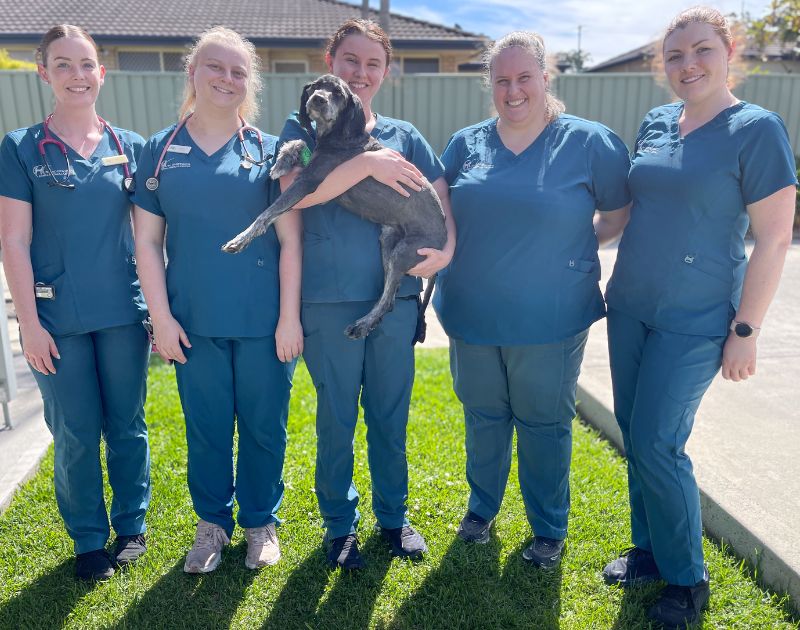
We recently cared for Darci, a beautiful dog, who spent four days in the hospital with tick paralysis, just six days after missing his tick treatment.
Sometimes, pets that are fully up to date with their prevention still come in with a tick attached. In most cases, the tick is already dead and hasn’t yet fallen off. Thankfully, these pets stay well because Isoxazoline products kill ticks soon after they attach, long before paralysis can develop (which usually takes about three days of feeding).
We’ve also seen well-meaning owners accidentally use products that only protect against fleas, not ticks. It’s always worth double-checking the label on any parasite treatment before applying itso you don’t leave your pets exposed.
Some treatments also have different schedules for the parasites they target, so it’s safest to follow the shortest recommended interval to maintain your pet’s protection at a constant level.
Top flea and tick advice from Edgeworth Animal Medical Centre
Our best advice is to stay consistent and choose what works best for you and your pet. Dogs, cats and travelling pets all have different risks, so it’s important to tailor prevention to suit their needs:
- Dogs: We strongly recommend the annual tick injection. Given each winter, it provides full protection through peak tick season without the risk of missing a dose.
- High-risk areas or travel: If you live in or are travelling to northern Australia, add a tick-repellent collar for extra protection.
- Cats: Spot-on products are the most effective choice, especially for cats that spend time outdoors or live with pets that do. Whenever possible, we encourage keeping cats indoors. Not only will this reduce their risk of ticks, fleas, and other injuries, but it will also help protect native wildlife.
If you’d like advice on choosing the right parasite prevention for your pet or need to book their next treatment, contact our team today.
By Dr Nicole Melhem
Veterinary Services
Trusted veterinary care across every life stage, from vaccinations and surgery to diagnostics, dental, and exotic care.


FAQs
Worried Something’s Wrong?
What should I do if I think something’s wrong with my pet?
We understand how scary it is when your pet isn’t acting like themselves. If you’re ever concerned, please call our clinic right away. Our team will ask a few questions and advise you on next steps, whether that’s coming in for a check-up or monitoring at home. It’s always better to be safe and have us take a look if you suspect something is wrong.
How do I know if my pet needs emergency care?
Certain signs like trouble breathing, collapse, severe bleeding, or seizures mean your pet needs immediate help. If you notice any of these or your pet is in distress, get to a vet right away. We prioritize emergencies during our clinic hours. If a crisis happens when we’re closed, you should head to a 24/7 veterinary emergency hospital without delay.
What if my pet needs help after hours?
We partner with a trusted local emergency service for after-hours care. If your pet needs urgent help when our clinic is closed, you can contact the Animal Referral & Emergency Centre (AREC) in Newcastle, or SASH in Tuggerah.
They’re open 24/7 and will provide immediate veterinary attention. We’ll receive a report from the emergency team so we can follow up with you and your pet as needed.
Exotic Pets & Unusual Species
Do you treat exotic or unusual pets?
Yes, we welcome all kinds of pets at Edgeworth, not just cats and dogs. Our vets have a special interest and plenty of experience in treating birds, rabbits, guinea pigs, rats, mice, reptiles (like snakes and lizards), and more. We understand these unique pets have specific needs, and we’re fully equipped to give them the gentle, knowledgeable care they require.
Does my exotic pet need regular vet check-ups?
Absolutely. Exotic pets often hide signs of illness, so routine check-ups are very important. We recommend annual health checks (or more often for some species) to catch any subtle issues early. Our team is skilled in exotic animal care and can give you tailored advice on diet, housing, and preventive health to keep your unusual pet happy and thriving.
Second Opinions & Complex Cases
Can I get a second opinion on my pet’s diagnosis or treatment?
Of course. We know how important peace of mind is when it comes to your pet’s health. Our vets are happy to provide a second opinion on any diagnosis or treatment plan. We’ll review your pet’s history, perform a thorough examination, and then discuss our findings and recommendations with you in a caring, honest way.
What if my pet has a complicated condition or needs advanced care?
You’re in good hands. Our clinic is equipped to handle many complex cases, from challenging medical conditions to advanced surgeries. Each of our veterinarians has special areas of expertise (such as surgery, internal medicine, or exotic animal care); we work together as a team to solve tough cases. If your pet ever needs care beyond our scope, we’ll refer you to a trusted specialist and collaborate closely to ensure your pet gets the very best care.
Choosing the Right Vet for Your Pet
How do I choose the right vet for my pet?
Look for a vet who makes you and your pet feel comfortable, listens to your concerns, and communicates clearly; a great clinic will treat your pet as family and provide continuity so you see familiar faces over the years. At Edgeworth Animal Medical Centre, we pride ourselves on being warm, patient, and thorough; we take the time to get to know you and your pet and tailor our care to their individual needs. Ultimately, trust your instincts and choose a clinic where you feel heard and supported.
Will my pet see the same veterinarian each visit?
We do our best to provide consistency. As a smaller independent clinic, we have a close-knit team, and we’ll strive to schedule you with your preferred vet whenever possible. We believe that building a long-term relationship with one veterinary team helps your pet feel more at ease and allows us to offer more personalised care at every visit.
Lifestyle, Behaviour & Quality of Life
Can you help with my pet’s behaviour or training problems?
Yes, behaviour is an important part of your pet’s well-being, and our vets can offer guidance on common issues like anxiety, barking, destructive chewing, or litter box problems. We’ll first check if there’s any medical reason for the behaviour, then work with you on training tips or changes at home that might help. If needed, we can also refer you to a qualified pet trainer or veterinary behaviourist for additional support.
How can I ensure my pet lives a happy, healthy life?
Caring for your pet’s quality of life means looking after their physical health and emotional happiness. Make sure they get a nutritious diet, regular exercise, and plenty of mental stimulation through play and enrichment activities. Regular veterinary check-ups are also key, as they help us catch any health issues early and manage things like dental care or arthritis to keep your pet comfortable. Most importantly, give them love and attention, as a strong bond with you and a safe, enriching environment go a long way toward a happy life for your pet.
Will I be told how much my pet’s treatment will cost?
Absolutely. We’ll always explain the costs before we proceed with any treatment and provide you with a clear, written estimate after examining your pet and determining what they need. You’ll have time to ask questions and consider the options, and we’ll only move forward once you’re comfortable with the plan. Our goal is to be transparent and avoid any surprises, so you can make informed decisions about your pet’s care.
What payment options do you offer, and do you accept pet insurance?
We want to make managing your pet’s care as stress-free as possible. Our clinic accepts cash, credit cards, and EFTPOS. We can also process many pet insurance claims on the spot through GapOnly, so you only need to pay the difference (the ‘gap’) while your insurer covers the rest. For larger or unexpected expenses, we’re an approved VetPay provider, allowing you to set up a manageable payment plan. If you ever have concerns about the cost of care, our team will work with you to find a solution that helps you feel confident about your pet’s treatment.

Contact Info


After-Hours Emergencies
Contact AREC(Animal Referral & Emergency Centre)
1300 838 669