
735 Main Rd, Edgeworth,
NSW, 2285


The truth about seed-based diets
Seeds may taste great, but for most pet birds, they’re the equivalent of junk food.
High in fat and low in essential nutrients, seed-heavy diets are linked to obesity, heart disease, liver problems, brittle bones, and even early death.
They may keep your bird alive, but not healthy.
That’s why so many avian vets now recommend reducing or eliminating seeds altogether in favour of pelleted diets and fresh vegetables.
Did you know?
Sunflower seeds have almost 3× the fat of a chocolate bar. Many birds eat them as their main food source.
Why seed diets are a silent risk
Just like humans, birds can survive on a poor diet for a long time before symptoms appear, but beneath the surface, damage is building. A seed-based diet lacks the protein birds need to maintain strong muscles and grow healthy feathers. It’s severely deficient in fat-soluble vitamins like A, D, E and K, which are crucial for cellular function, immune health, and internal organ stability.
Over time, bones become brittle from inadequate calcium, egg-laying birds may suffer from life-threatening reproductive issues, and the heart and liver become stressed from constant fat overload. You might not notice anything wrong until it’s serious, but the decline starts much earlier than it seems.
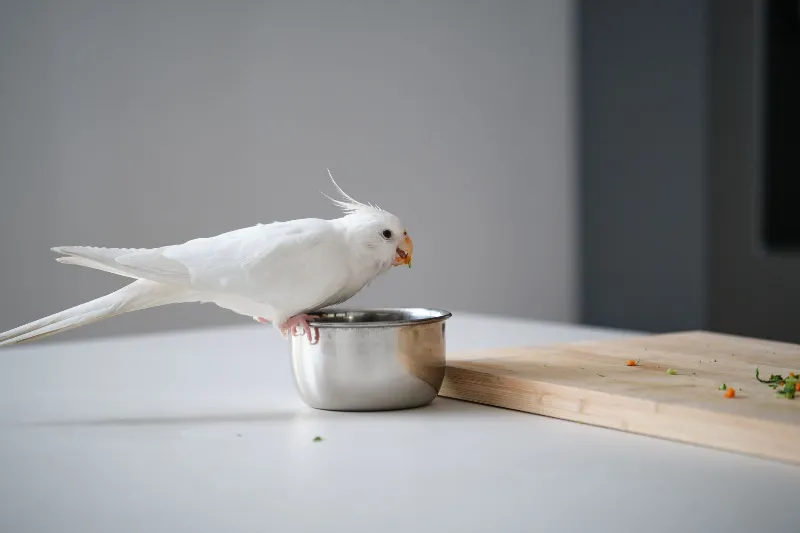
What should I feed my pet bird instead?
A balanced diet is the best way to protect your bird’s long-term health. That means:
- 60–75% pellets (Vetafarm, Harrison’s, Roudybush, Zupreem, etc.)
- 25–40% vegetables like corn, broccoli, sweet potato, leafy greens
- Optional fruit for rainforest species (e.g. Eclectus, King Parrots, Macaws)
- Occasional extras like cooked pasta, legumes, or seeding grasses
Avoid dairy, chocolate, avocado, caffeine, alcohol, and anything high in sugar or salt. Birds are curious eaters, but their digestion works very differently from ours.
“Had a great experience today with our bird pokoyo the vet went above and beyond for us and we couldn’t be happier 😄😄🦜🦜”- York N
But my bird only eats seed, now what?
That’s common. Many breeders still raise chicks on seed, so it’s all they’ve ever known. And let’s face it, birds love fatty foods too.
Transitioning can take time, but with patience and a plan, most birds will learn to accept healthier options. You can try:
- Gradual mixing of pellets into familiar food
- Offering vegetables chopped, grated, or lightly steamed
- Eating vegetables in front of your bird to encourage mimicry
- Avoiding treats or seed blends during transition periods
We can guide you through the change step-by-step.
Bored with pellets? Add variety, not junk.
Pellets aren’t boring, and they’re not meant to be the only thing your bird eats. You can (and should) offer variety with veggies, sprouts, and native flora like flowering gums or seeding grasses.
Pet birds thrive with foraging activities, veggie skewers, and interactive feeding. Healthy doesn’t mean dull.
Need help changing your bird’s diet?
Whether you’re facing a stubborn seed lover or just want to do better, Edgeworth Animal Medical Centre is here to help.
Many of our veterinarians have a special interest in bird health and advanced training in avian medicine, so you can feel confident you’re getting advice from people who truly understand feathered companions.
We offer tailored nutrition plans, practical transition tips, and ongoing support to help your bird thrive. And if you’re ever unsure, it’s always best to see a professional. A quick check can prevent long-term harm and give you peace of mind.
Call Edgeworth Animal Medical Centre or book an appointment today. We’re the bird vet Newcastle families rely on for honest answers and expert care.
Veterinary Services
Trusted veterinary care across every life stage, from vaccinations and surgery to diagnostics, dental, and exotic care.


Frequently Asked Questions
What’s the best diet for pet birds in Newcastle’s climate?
In Newcastle, where indoor birds often miss out on natural foraging, a pelleted diet paired with fresh vegetables is ideal. It helps balance nutrients while supporting their health all year round.
Can I still give my bird seeds as a treat?
Yes, in moderation. Seeds can be used as rewards or for training, but they shouldn’t be your bird’s main food source. Think of them as bird candy, a sometimes food, not an everyday meal.
Are there bird vets in Newcastle who can help with diet advice?
Absolutely. At Edgeworth Animal Medical Centre, many of our vets have advanced training in avian health and nutrition. We’re known as a go-to bird vet in Newcastle for a reason.
How long does it take to switch a bird from seeds to pellets?
It depends on the bird. Some adapt in days, others take weeks. Consistency, creativity, and encouragement are key, and we’re happy to guide you through it.
What vegetables are best for parrots and cockatiels?
Safe, nutritious options include broccoli, corn, carrot, spinach, pumpkin, peas, and silverbeet. Avoid avocados and offer small portions of a variety for interest and balance.

Contact Info


After-Hours Emergencies
Contact AREC(Animal Referral & Emergency Centre)
1300 838 669